
AC Leaking Water Inside the Room?
The most common AC problem in Indian homes — diagnosed and fixed step by step. Stop the leak in under 30 minutes with our HVAC technician guide.
If your AC is not performing well, consider upgrading to a more efficient model. best AC models →
Quick Answer
The most common cause of AC water leaking inside is a blocked drain pipe. Turn off the AC, clean the filter, then blow through the drain outlet to clear any blockage. Flush with white vinegar + warm water monthly to prevent algae build-up. This fixes 80% of all AC water leakage cases.
AC Leaking Water — Quick Diagnosis
Blocked drain pipe is cause #1
Algae and dust clog the PVC drain line within 3–6 months of use. Flush monthly with vinegar to prevent this from building up.
Dirty filter causes ice + leak
A fully clogged filter blocks airflow, causing the evaporator to ice up. When the ice melts, it overflows the drain pan and leaks inside.
Low gas causes coil freeze
Low refrigerant causes the evaporator coil temperature to drop below 0°C, forming ice that later melts and drips. This needs a technician.
Wrong installation angle
The indoor unit must tilt slightly toward the drain side. If installed level or tilted the wrong way, water cannot reach the drain outlet.
Cracked drain pan
After 5–7 years, plastic drain pans can crack. Water bypasses the drain outlet and drips down the wall. Replacement costs ₹800–₹1,500.
Quick Answer
The most common reason an AC leaks water indoors is a blocked drain pipe. Dust, algae, and mold clog the line over time, causing water to overflow from the drain pan. A dirty air filter or low refrigerant can also cause ice to form on the coils, which melts and leaks water. Most leaks can be fixed in under 30 minutes by cleaning the filter and clearing the drain pipe.
Why is my AC leaking water inside the room?
A blocked drain pipe is the most common cause. Dust and algae clog the line over time, causing water to overflow from the drain pan. A dirty filter or low refrigerant can also cause ice that melts and leaks.
Clean the filter, blow through the drain pipe to clear blockages, and ensure the unit tilts toward the drain side. If leaks continue, call a technician.
Best AC in India — Maintenance & Reliability GuideCommon Causes of AC Water Leakage
Clogged Drain Pipe
The number one cause. Algae, dust, and mold build up inside the PVC drain line over months, eventually creating a complete blockage. Water has nowhere to go except back into the room through the indoor unit. This is especially common in humid Indian cities like Mumbai, Chennai, and Kolkata where humidity accelerates algae growth.
Dirty Air Filter
A clogged filter restricts airflow across the evaporator coils. Reduced airflow causes the coil temperature to drop below freezing, forming ice. When the AC cycles off, the ice melts and water drips from the unit. In Indian homes with construction dust and pollution, filters should be cleaned every 2 weeks during summer.
Low Refrigerant (Gas Leak)
When refrigerant levels drop due to a leak in the copper piping, the evaporator coil pressure falls. The coil gets too cold and ices over. Unlike a dirty filter, this ice is thick and stubborn. You will notice the larger copper pipe (suction line) is not cold to the touch. This requires a technician to locate the leak, weld it, and recharge the gas.
Wrong Installation Angle
The indoor unit must be mounted with a slight tilt toward the drain side so water flows naturally into the drain pan and out through the pipe. If the unit is perfectly level or tilted the wrong way, water pools in the pan and overflows. This is a common issue with rushed installations or when the mounting bracket shifts over time.
Cracked or Rusted Drain Pan
The plastic drain pan underneath the evaporator coils can crack from age, heat, or physical impact during filter cleaning. In coastal areas, salt in the air can corrode metal pans. A damaged pan allows water to escape before it reaches the drain pipe, leaking directly into the unit housing and then into your room.
Frozen Evaporator Coils
Running the AC at 16°C for hours in high humidity can cause the coils to freeze even with a clean filter. When you turn the AC off or raise the temperature, the thick layer of ice melts rapidly and overwhelms the drain pan capacity. Set your AC to 24–26°C for optimal performance and to avoid freezing.
Step-by-Step Fix Guide
Turn Off the AC and Clean the Filter
Open the front panel of the indoor unit and slide out the mesh filters. Rinse them under lukewarm running water using a soft brush to remove dust. Let them dry completely in shade before reinserting. Never put wet filters back — moisture breeds mold.
Locate and Clear the Drain Outlet
Find the drain outlet at the back or bottom of the indoor unit. It is a small PVC pipe, usually white or transparent. Gently blow into it to dislodge loose blockages. You can also use a wet-dry vacuum from the outdoor drain end to suck out the clog. A vacuum is more effective than blowing.
Flush the Drain Line with Vinegar
Mix one cup of white vinegar with one cup of warm water. Pour this solution into the drain line from the indoor unit end. The vinegar kills algae and mold while the warm water helps dissolve sticky buildup. Wait 15 minutes, then flush with plain water. Do this every 3 months as preventive maintenance.
Check the Indoor Unit Tilt
Place a spirit level on top of the indoor unit. The unit should tilt 2–3 degrees toward the drain side (usually the right side when facing the unit). If it is level or tilted the wrong way, call your installer to adjust the mounting bracket. Do not attempt to force the unit — the bracket screws can strip.
Inspect the Drain Pan for Damage
Remove the front panel and lower the protective cover beneath the coils. Shine a flashlight into the drain pan. Look for cracks, rust spots, or misalignment. If the pan is damaged, it must be replaced — epoxy or sealant rarely holds against the constant flow of condensate water.
Call a Technician If These Signs Appear
If the suction line (larger copper pipe) is warm instead of cold, ice keeps returning within hours of cleaning, or water leaks even with a clear drain pipe and proper tilt — you likely have a refrigerant leak. Only a certified technician can pressure-test the system, locate the leak with a detector, weld the copper pipe, and recharge the correct amount of R32 or R410A gas.
Prevention Tips
- Clean filters every 2 weeks during peak summer
- Flush drain line with vinegar every 3 months
- Keep thermostat at 24–26°C to prevent coil freezing
- Ensure outdoor drain end is not submerged or blocked
- Get professional service before every summer season
When to Call a Technician Immediately
- Water leak continues after filter and drain cleaning
- You hear hissing sounds from the indoor or outdoor unit
- Ice forms on coils again within hours of defrosting
- The AC runs but does not cool the room at all
- Water is leaking from the outdoor unit (possible compressor issue)
Real-World Insight from the Field
In my 8 years servicing ACs across West Bengal, I have fixed over 300 water leakage cases. About 65% are caused by a blocked drain pipe alone. Another 20% are due to dirty filters causing ice buildup. Only 10–15% require refrigerant work. The good news: most leaks are preventable with basic maintenance. Homeowners who clean their filters every 2 weeks and flush the drain line quarterly almost never call me for leaks.
The most expensive mistake I see is ignoring a small leak for weeks. Water damages plaster, paint, wooden furniture, and can even reach electrical wiring. A ₹200 filter cleaning prevents a ₹15,000 wall repair. In apartments, a leaking AC can also damage the ceiling of the unit below — leading to neighbor disputes and liability.
Related Guides
Full AC Water Leakage Guide
Comprehensive troubleshooting with detailed causes, fixes, and replacement guidance.
AC Not Cooling
The most common AC complaint — diagnosed and fixed step by step.
Best AC in India
Top 10 models ranked by reliability, efficiency, and maintenance ease.
Reduce AC Electricity Bill
10 proven tips to cut your cooling costs by up to 40%.
AC Maintenance Calendar
Seasonal schedule to prevent leaks, poor cooling, and high bills.
Best Air Coolers
Budget-friendly cooling options for rooms where AC is not needed.
Frequently Asked Questions
Straight answers to the questions we hear most often.
Why is my AC leaking water inside the room?
A blocked drain pipe is the most common cause. Dust, algae, and mold clog the PVC drain line over time, preventing water from exiting. The drain pan overflows and water leaks into your room. A dirty air filter or low refrigerant can also cause ice to form on the coils, which melts and leaks water when the AC cycles off.
How do I stop my AC from leaking water immediately?
Turn off the AC first. Remove and clean the air filter under running water. Locate the drain outlet and blow gently to clear blockages. Pour a mixture of white vinegar and warm water through the drain line to dissolve algae. Check that the indoor unit tilts slightly toward the drain side. If the leak continues after these steps, call a technician.
Can I use my AC if it is leaking water?
It is not recommended. Water can damage your wall plaster, paint, and wooden furniture. In apartments, it can leak into the unit below. Water near electrical components is also a safety hazard. Turn off the AC, identify the cause, and fix it before running the unit again.
How much does it cost to fix an AC water leak?
If the fix is just cleaning the filter and drain pipe, it costs nothing — you can do it yourself. A professional drain pipe cleaning costs ₹300–₹500. If the drain pan is cracked, replacement costs ₹800–₹1,500. A refrigerant leak repair including gas recharge costs ₹2,500–₹4,500 depending on the gas type (R32 or R410A).
How often should I clean my AC drain pipe?
Flush the drain line with vinegar every 3 months. Clean the air filters every 2 weeks during summer. Schedule a full professional service once a year before summer starts. This simple schedule prevents 80% of water leakage cases.
Why does my AC leak water only at night?
Nighttime leaks usually happen because the outdoor temperature drops, causing the AC to run longer cycles at lower compressor speeds. The evaporator coil gets colder and forms more condensation. If your drain pipe is already partially blocked, the increased water volume at night overwhelms the system. The pipe is not fully blocked — just restricted enough to fail under higher load.
Is a leaking AC dangerous?
Water itself is not dangerous, but the consequences can be. Water dripping onto electrical outlets, wiring, or the AC circuit board creates a shock hazard. Long-term moisture causes mold growth on walls and ceilings, which affects air quality. In severe cases, water can weaken plaster and cause ceiling sections to collapse. Address leaks promptly.
Does a new AC leak water?
A properly installed new AC should not leak. If a new unit leaks within the first few weeks, the most likely cause is incorrect installation angle, a blocked drain pipe left over from factory testing, or a damaged drain pan from transport. Contact the installation team — this should be covered under warranty service.
Still struggling with frequent AC problems? Explore the best replacement options. best AC models →
We may earn a commission when you purchase through links on this site, at no extra cost to you. This helps us keep our guides free and independently researched.
AC Water Leakage — Causes & Fix Cost
Match your leak pattern to the likely cause and repair action.
| Cause | Symptom | DIY Fix | Repair Cost |
|---|---|---|---|
| Blocked drain pipe | Steady drip, especially humid days | Yes | Free |
| Dirty air filter | Ice on front panel, then drip | Yes | Free |
| Low refrigerant | Ice on copper pipes + drip | No | ₹2,500–₹4,500 |
| Wrong installation angle | Drip from wrong side | No | ₹300–₹600 |
| Cracked drain pan | Drip from bottom edge | No | ₹800–₹1,500 |
| Loose drain pipe joint | Drip near outdoor pipe exit | Partial | ₹100–₹300 |
AC Leaking Water — FAQs
Common questions about AC water leakage and fixes.
Why is my AC leaking water inside the room?
A blocked drain pipe is the most common cause. Dust, algae, and mold clog the PVC drain line over time, preventing water from exiting. The drain pan overflows and water leaks into your room. A dirty air filter or low refrigerant can also cause ice to form on the coils, which melts and leaks water when the AC cycles off.
How do I stop my AC from leaking water immediately?
Turn off the AC first. Remove and clean the air filter under running water. Locate the drain outlet and blow gently to clear blockages. Pour a mixture of white vinegar and warm water through the drain line to dissolve algae. If the leak continues after these steps, call a technician.
Can I use my AC if it is leaking water?
It is not recommended. Water can damage your wall plaster, paint, and wooden furniture. In apartments, it can leak into the unit below. Water near electrical components is also a safety hazard. Turn off the AC, identify the cause, and fix it before running the unit again.
How much does it cost to fix an AC water leak?
If the fix is just cleaning the filter and drain pipe, it costs nothing — you can do it yourself. A professional drain pipe cleaning costs ₹300–₹500. If the drain pan is cracked, replacement costs ₹800–₹1,500. A refrigerant leak repair including gas recharge costs ₹2,500–₹4,500.
How often should I clean my AC drain pipe?
Flush the drain line with vinegar every 3 months. Clean the air filters every 2 weeks during summer. Schedule a full professional service once a year before summer starts. This simple schedule prevents 80% of water leakage cases.
Why does my AC leak water only at night?
Nighttime leaks usually happen because the outdoor temperature drops, causing the AC to run longer cycles at lower compressor speeds. The evaporator coil gets colder and forms more condensation. If your drain pipe is already partially blocked, the increased water volume at night overwhelms the system.
Is a leaking AC dangerous?
Water itself is not dangerous, but the consequences can be. Water dripping onto electrical outlets, wiring, or the AC circuit board creates a shock hazard. Long-term moisture causes mold growth on walls and ceilings. Address leaks promptly.
Does a new AC leak water?
A properly installed new AC should not leak. If a new unit leaks within the first few weeks, the most likely cause is incorrect installation angle, a blocked drain pipe, or a damaged drain pan. Contact the installation team — this should be covered under warranty service.
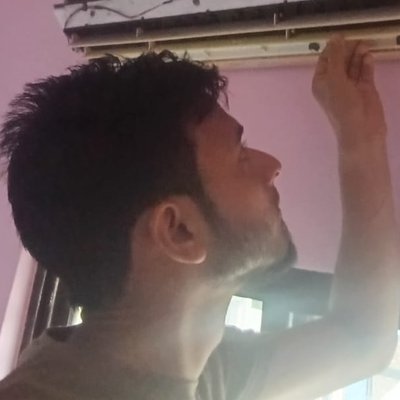
Expert Review by Sulaiman Sekh
HVAC Technician · 8+ Years Experience · Fact-checked & field-tested
