
BEE Star Rating & ISEER, Explained
The BEE star rating is a 1-to-5 efficiency label set by India's Bureau of Energy Efficiency. It is driven by a single number — ISEER — and it tells you how much electricity the AC will use, not how cold it will get. Here is what it actually means for your bill.
Now that you understand the key points, explore the best ACs available in India. compare best ACs →
What ISEER means
ISEER stands for Indian Seasonal Energy Efficiency Ratio. It is the ratio of the total cooling an AC provides over a season to the total electricity it draws, weighted for the range of temperatures India actually sees through the year. In plain terms: higher ISEER = more cooling per unit of power = lower running cost. A unit with an ISEER of 5.0 does the same cooling job as one rated 3.5 while drawing meaningfully less electricity.
The star bands
BEE groups ISEER values into five bands. The figures below reflect the 2024–25 split-inverter schedule and are representative — BEE tightened the thresholds again from 1 January 2026 (label period valid to 31 December 2028), raising the bar by roughly 0.4–0.5 ISEER at every tier. That is why a unit sold as 5-star in 2024–25 (ISEER ≈ 5.0) is classified 4-star under the 2026 norms, with nothing physically changed. Always read the exact ISEER number and the label's validity period on the actual unit, and verify it on beeindia.gov.in — treat the sticker as authoritative, not the table:
| Rating | Typical ISEER | In practice |
|---|---|---|
| 1 Star | ~3.30 – 3.49 | Least efficient; usually fixed-speed |
| 2 Star | ~3.50 – 3.99 | Entry-level efficiency |
| 3 Star | ~4.00 – 4.49 | Common value pick |
| 4 Star | ~4.50 – 4.99 | Efficient inverter range |
| 5 Star | ~5.00 and above | Lowest running cost |
Fixed-speed and inverter splits use separate schedules, as do window ACs — compare ratings only within the same category. Under the 2026 norms a 5-star split inverter sits near the top of the ISEER ≥ 5.2 range; because the bar moves, compare the ISEER number and label year between models rather than the star count alone — a 2026 4-star can be more efficient than a 2022 5-star.
How the rating hits your bill
Each step up the scale cuts electricity use by roughly 10–15%. Over a hot Indian summer running 8+ hours a day, the gap between a 3-star and a 5-star of the same tonnage is real money. Exactly how much depends on your local tariff and usage — work it out for your own case with the AC bill calculator, and see the payback maths in our 3-star vs 5-star comparison.
Why a 5-star quietly becomes a 3-star
This is the part most buyers miss. BEE periodically raises the ISEER required for each star. A model that genuinely earned 5 stars a few years ago can be re-classified as 3-star under the newer, stricter schedule — without a single component changing. The star on an older unit reflects the rules at the time it was made, which is why a “5-star” clearance-stock AC isn't always the bargain it looks like. Check the ISEER value, not just the stars.
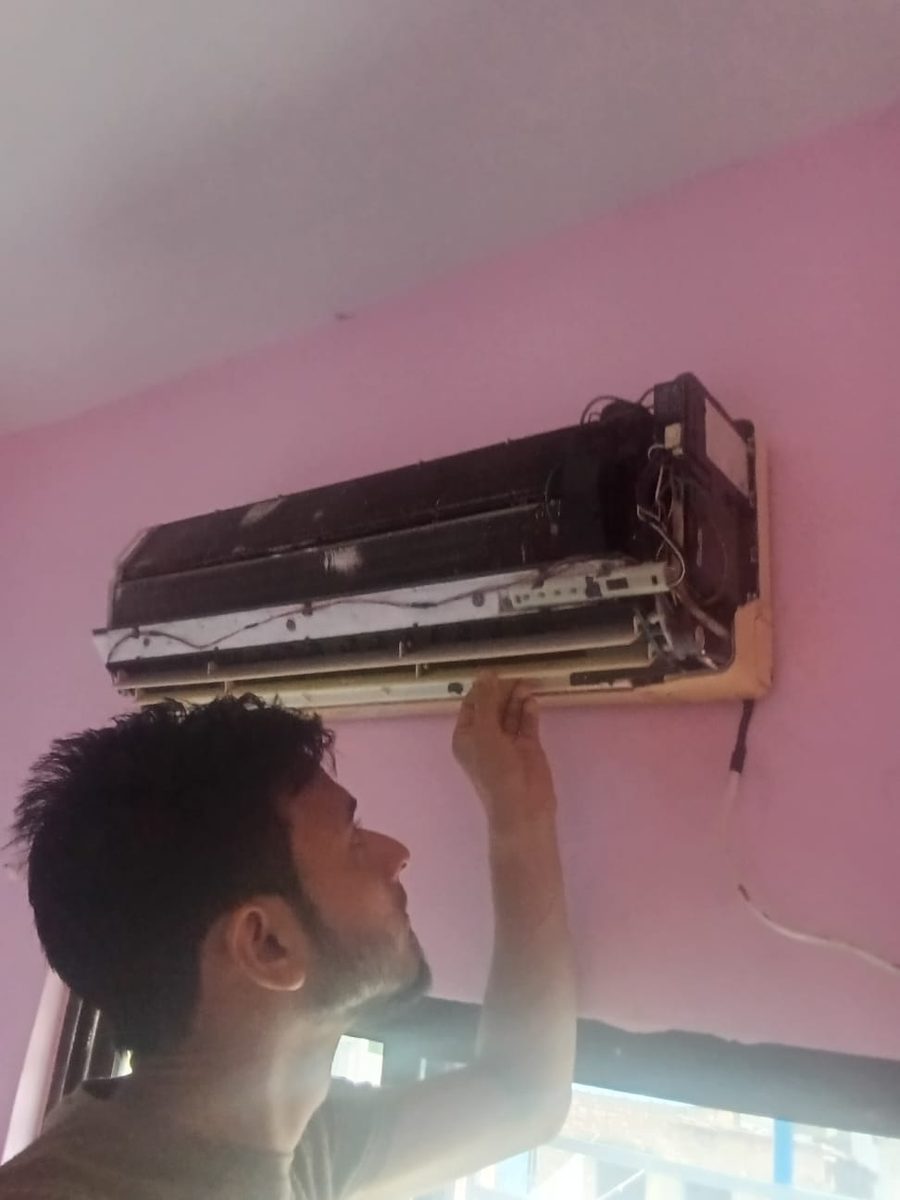
On the bench, the star on the box is only half the story. A 5-star unit with a choked filter and a dirty coil will quietly out-spend a well-maintained 3-star, because efficiency collapses when air can't move across the coil. Buy the higher star if your budget and usage justify it — but the real savings come from clean filters, a clean outdoor coil, and the right tonnage for the room.
— Sulaiman Sekh, HVAC Technician · 8+ years in the field, residential to plant
Frequently asked questions
What is ISEER in an AC?
ISEER (Indian Seasonal Energy Efficiency Ratio) is the amount of cooling an AC delivers per unit of electricity it consumes, averaged across India's climate. A higher ISEER means more cooling per watt — and a lower running cost.
Does a 5-star AC really save money over a 3-star?
Yes, on electricity — a 5-star inverter typically uses 20–30% less power than a 3-star of the same tonnage. Whether it pays back depends on usage hours and the price gap; heavy users recover the premium fastest. Use the bill calculator to compare for your city and hours.
Why did my 5-star AC become a 3-star?
BEE tightens the ISEER thresholds every few years. A model that met the 5-star band when you bought it can fall to 3-star under the newer schedule without anything changing inside the unit. The label reflects the schedule in force at manufacture.
Is ISEER the same for window and split ACs?
No. BEE publishes separate schedules for fixed-speed and inverter (variable-speed) splits, and for window ACs. Always compare ratings within the same category.
Does a higher star rating mean better cooling?
No — stars measure efficiency, not cooling power. Cooling capacity is set by tonnage. A correctly-sized 3-star will cool a room just as cold as a 5-star; the 5-star simply does it using less electricity.
Next: size the unit correctly with the tonnage calculator, browse the best 5-star ACs in India, or learn the rest of the jargon in the AC glossary.
Ready to buy? See our ranked list of the best ACs for every budget. compare best ACs →
We may earn a commission when you purchase through links on this site, at no extra cost to you. This helps us keep our guides free and independently researched.
