
Air Cooler MaintenanceGuide for Indian Homes (2026)
How to clean pads and tank, fix bad smells, replace worn pads, winterize your cooler, and keep it running like new for 5+ years. Step-by-step with expert tips.
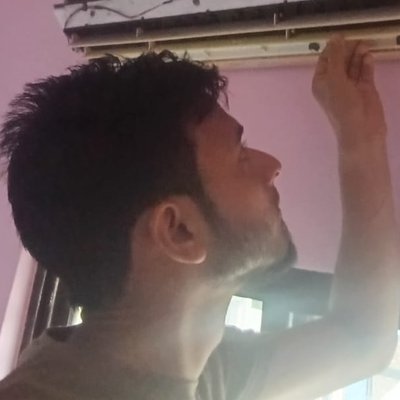
Quick Answer
Clean your air cooler every 2 weeks in summer: empty the tank, rinse honeycomb pads in warm water + mild detergent, wipe the tank with diluted vinegar, and clean fan blades. Replace cellulose pads every 2–3 years (₹300–₹800). For bad smells, add a capful of peppermint oil or commercial deodorizer to the tank after cleaning. Before winter, drain all water, dry pads in sunlight, and cover the unit with a dust sheet.
Cooler Maintenance — Key Facts
Clean every 2 weeks in summer
Tank + pad rinse prevents algae, smell, and scale. In dusty cities like Delhi, clean weekly.
Replace pads every 2–3 years
Cellulose honeycomb pads last 2–3 seasons. Wood wool pads need annual replacement. Cost: ₹300–₹800.
Hard water = more frequent cleaning
In Delhi NCR, Rajasthan, Gujarat (high TDS), descale pads monthly with citric acid soak.
Weak air = clogged pads or low water
The #1 cause of reduced airflow is dirty pads. Clean first before calling a technician.
Winter storage prevents off-season damage
Drain, dry pads, clean tank, cover with dust sheet. Store in a dry room, not a damp bathroom.
Quick Answer
Clean your air cooler every 2 weeks during summer: empty the tank, rinse honeycomb pads in warm water + mild detergent, wipe the tank with diluted vinegar, and clean fan blades with a damp cloth. Replace cellulose pads every 2–3 years (₹300–₹800). For bad smells, add a capful of peppermint oil or commercial deodorizer after cleaning. In hard water areas (Delhi, Rajasthan, Gujarat), descale pads monthly with citric acid. Before winter, drain all water, dry pads in sunlight, and cover the unit with a dust sheet.
Below: seasonal calendar, pad cleaning steps, tank care, smell fixes, winter storage, and troubleshooting.
Seasonal Maintenance Calendar
Follow this year-round schedule to extend your cooler's life from 3 years to 7+ years.
Pre-season inspection
Check pump, fan motor, power cord. Replace pads if 2+ years old. Test run for 30 minutes.
Peak season — weekly cleaning
Clean tank and pads every 2 weeks. In dusty cities (Delhi, Jaipur), clean weekly. Check water level daily.
Monsoon care
High humidity reduces evaporation. Clean pads more frequently (mould risk). Use filtered water. Run on low speed.
End-season deep clean
Full deep clean: tank, pump, fan blades, exterior. Drain completely. Dry all parts in sunlight.
Winter storage
Cover with dust sheet. Store in dry room. Do NOT store with water or damp pads. Check monthly for pest entry.
How to Clean Honeycomb Pads
Dirty pads are the #1 cause of weak cooling and bad smells. Here's the proper cleaning method that preserves pad life.
Regular Cleaning (Every 2 Weeks)
- 1Turn off and unplug the cooler. Remove the side/back panel to access pads.
- 2Gently slide out honeycomb pads. Do not tear or bend — cellulose is fragile when wet.
- 3Rinse under running tap water. Use a soft brush to remove dust and debris. Do NOT use high-pressure water.
- 4Soak in warm water + mild detergent (or 1 cup white vinegar per 5L water) for 20 minutes.
- 5Rinse thoroughly. Hang vertically in sunlight to dry completely (2–3 hours).
- 6Reinstall pads and reattach panel. Fill tank with fresh water and run for 10 minutes to flush.
Deep Cleaning (Hard Water Scale)
- 1Remove pads as above. Inspect for white/chalky deposits — this is calcium scale from hard water.
- 2Prepare descaling solution: 1 tablespoon citric acid powder per litre of warm water. Alternatively, use white vinegar (1:1 with water).
- 3Soak pads for 15–20 minutes. Do NOT exceed 30 minutes — citric acid can degrade cellulose with prolonged exposure.
- 4Rinse thoroughly 3× with clean water. Any residual acid will corrode the pump and tank.
- 5Dry in sunlight. Reinstall and run with fresh water for 15 minutes before regular use.
Never use: Bleach (degrades cellulose), hydrochloric acid (muriatic acid), or abrasive scrubbers (tears pad fibers).
Pad Replacement Guide
Cellulose Honeycomb
2–3 years
Lasts longest, washable, best cooling. Cost: ₹300–₹800.
Wood Wool (Aspen)
1 year
Traditional, cheaper, degrades faster. Cost: ₹150–₹400.
Synthetic Fibre
2–3 years
Durable, less cooling than cellulose. Cost: ₹200–₹500.
How to Clean the Water Tank
A dirty tank breeds algae, bacteria, and bad smells. Clean it every 2 weeks for fresh, healthy cooling air.
Step-by-Step Tank Cleaning
- 1Unplug the cooler and drain all water from the tank via the drain plug.
- 2Remove any debris, leaves, or sediment at the bottom with a soft brush or cloth.
- 3Mix cleaning solution: 1 cup white vinegar + 2 litres warm water. For heavy algae, use 1 tbsp bleach per 5L (rinse thoroughly after).
- 4Pour solution into tank. Scrub all interior surfaces with a long-handled brush or sponge.
- 5Let sit for 15–20 minutes. Pay special attention to corners and the pump housing area.
- 6Drain and rinse 3× with clean water until no vinegar/bleach smell remains.
- 7Wipe dry with a clean cloth. Leave the drain plug open for 30 minutes to air dry.
- 8Refill with fresh water, add ice if desired, and run for 10 minutes before using.
Signs Your Tank Needs Cleaning
- Green or black algae visible on tank walls
- Slimy film on water surface
- Musty or rotten smell from air output
- Water appears cloudy or brown
- Reduced cooling despite clean pads
Tank Cleaning Tips
- Always empty the tank if not using the cooler for 2+ days
- Add a few drops of peppermint oil after cleaning for fresh air
- Use filtered water in hard water areas to reduce scale
- Place a small mesh over the water inlet to catch debris
- Check the drain plug monthly — it's the first part to clog
Fan Blade & Motor Care
Dust on fan blades reduces airflow by 15–25%. Motor bearing wear causes noise and eventual failure. Here's how to maintain both.
Cleaning Fan Blades
- 1Unplug the cooler completely before opening the fan housing.
- 2Remove the front grill (usually held by 2–4 clips or screws).
- 3Use a damp microfibre cloth to wipe each blade. For heavy dust, use a soft brush first.
- 4Clean the blade hub (center) where dust accumulates and imbalances the rotation.
- 5Check blade alignment — bent blades cause vibration and noise. Gently straighten if needed.
- 6Reattach grill securely. Test run on low speed for 2 minutes before normal use.
Motor & Pump Maintenance
Pump Filter Cleaning
The pump has a small inlet filter that catches debris. Remove and rinse every 2 weeks. A clogged filter starves the pump and burns the motor.
Motor Bearing Lubrication
Most cooler motors are sealed and don't need lubrication. If your model has oil ports (check the manual), add 2–3 drops of SAE 20 oil annually.
Capacitor Check
If the motor hums but doesn't spin, the start capacitor may be weak. A technician can test and replace it for ₹150–₹300.
Power Cord Inspection
Check for fraying, cuts, or exposed wires. Replace immediately if damaged — water + electricity is dangerous. Cost: ₹200–₹400.
Safety First
Always unplug before cleaning the fan or motor area. Water and electricity don't mix. If the cooler has been running, let it dry for 30 minutes before opening electrical compartments. Never spray water directly onto the motor housing.
How to Fix Bad Smells from Cooler
Bad smells are the #1 complaint about air coolers. They come from 4 sources. Here's how to identify and fix each.
Cause
Algae or mould growing on pads or tank walls
Fix
Deep clean tank with diluted bleach (1:10). Replace pads if smell persists after cleaning. Ensure cross-ventilation so humid air doesn't stagnate.
Prevention
Clean tank every 2 weeks. Add a few drops of tea tree oil or peppermint oil to water.
Cause
Stagnant water with organic matter (dust, insects, leaves)
Fix
Completely drain and scrub tank with detergent. Clean pump filter. Replace water daily during peak summer.
Prevention
Never leave water standing for 2+ days. Empty tank when not in use.
Cause
Bacterial growth in hard water scale deposits
Fix
Descale pads with citric acid soak. Deep clean tank with vinegar solution. If smell remains, replace pads entirely.
Prevention
Use filtered water. Descale monthly in hard water areas.
Cause
Dry dust accumulation on pads and fan blades
Fix
Rinse pads thoroughly. Clean fan blades with damp cloth. Run cooler for 15 minutes with fresh water before room use.
Prevention
Rinse pads every 2 weeks. Cover cooler when not in use.
Commercial Deodorizers That Work
Peppermint Oil
5–10 drops per tank · ₹150–₹300 (bottle)
Natural, antibacterial, pleasant smell
Citric Acid
1 tbsp per 10L water · ₹50–₹100 (250g)
Descales + deodorizes + prevents algae
Baking Soda
2 tbsp per tank, weekly · ₹30–₹50 (box)
Neutralizes odours, safe for all pads
Water Quality & Hard Water Impact
The water you use directly affects pad life, pump health, and cooling efficiency. Hard water is the silent killer of air coolers.
Hard Water Effects on Coolers
White scale on pads
Reduces evaporation area by 20–40%. Cooling drops proportionally.
Fix: Monthly citric acid soak (1 tbsp per litre, 15 min)
Pump clogging
Hard water deposits choke the pump inlet filter. Pump works harder and burns out.
Fix: Clean pump filter every 2 weeks. Use filtered water if TDS > 500.
Tank staining
Brown/white stains that harbour bacteria and algae.
Fix: Scrub with diluted vinegar monthly.
Pad lifespan reduced
Cellulose pads that last 3 years in soft water last only 1.5–2 years in hard water.
Fix: Descale monthly. Replace pads annually in very hard water areas.
City-Wise Water Hardness (TDS)
| City | TDS (ppm) | Impact |
|---|---|---|
| Delhi NCR | 300–800 | High |
| Jaipur | 400–1,000 | Very High |
| Ahmedabad | 350–700 | High |
| Bangalore | 150–300 | Low |
| Chennai | 200–500 | Medium |
| Mumbai | 200–400 | Medium |
| Hyderabad | 250–500 | Medium |
| Kolkata | 150–350 | Low |
TDS = Total Dissolved Solids. Above 500 ppm is considered hard water.
Best Practice: Use Filtered Water
If your municipal water has TDS above 500 ppm, use water from your RO filter (post-RO, not reject water) for your cooler. RO water has TDS of 50–150 ppm, which is ideal for coolers. This extends pad life by 50%, reduces descaling effort by 80%, and prevents pump clogging. The extra effort of filling from a filter is worth the saved maintenance cost.
Winter Storage Checklist
Proper off-season storage prevents mould, pest damage, and pad degradation. A cooler stored correctly lasts 7+ years vs 3 years when neglected.
Step-by-Step Winter Prep
- 1Run the cooler for 30 minutes with fresh water to flush out any remaining debris.
- 2Drain ALL water completely using the drain plug. Tilt the unit to remove residual water from corners.
- 3Remove pads and rinse them one final time. Hang vertically to dry in direct sunlight for 4–6 hours.
- 4Clean the tank with diluted vinegar solution (1:5). Scrub corners and pump housing. Dry thoroughly.
- 5Clean fan blades with a damp cloth. Wipe the motor housing (do NOT use water on motor).
- 6Remove the pump and store it separately in a dry bag if possible. This prevents corrosion.
- 7Apply a thin coat of machine oil or WD-40 on metal screws and hinges to prevent rust.
- 8Cover the entire cooler with a breathable dust cover or thick plastic sheet. Avoid damp storage rooms.
Do NOT Store Like This
- With water remaining in tank (guaranteed algae and mould)
- With damp pads inside (pad fibres rot in 2–3 months)
- In a damp bathroom or unventilated store room
- Uncovered in a dusty garage or balcony
- Lying on its side (water can enter motor housing)
- Near pest-prone areas without sealing openings
Pre-Season Startup (March)
- Remove cover and inspect for pest damage or mould.
- Reinstall dry pads. If pads are stiff or crumbling, replace them.
- Reconnect pump and check for free rotation.
- Plug in and run empty for 5 minutes to test motor and fan.
- Fill tank with fresh water and run for 30 minutes before room use.
Common Cooler Problems & Fixes
Before calling a technician, try these DIY fixes. 80% of cooler issues are solved in under 30 minutes.
Cooler not throwing air / weak airflow
Likely Causes
- Clogged pads (dust/hard water scale)
- Low water level — pump can't circulate
- Dirty fan blades reducing efficiency
- Motor bearing wear (humming but slow spin)
Fix
1. Check water level first. 2. Clean pads. 3. Clean fan blades. 4. If motor hums but barely spins, capacitor or bearing needs replacement (₹150–₹500).
Estimated cost: DIY: ₹0–₹100. Professional: ₹300–₹800.
Cooler not cooling enough
Likely Causes
- High humidity (>60% RH)
- Dirty pads reducing evaporation
- Low water level or pump failure
- Room too large for cooler capacity
- Windows fully closed (no cross-ventilation)
Fix
1. Check humidity — if above 60%, cooler effectiveness is limited. 2. Clean/replace pads. 3. Ensure one window is 4–6 inches open. 4. Verify cooler CFM matches room size.
Estimated cost: DIY: ₹0–₹800 (pad replacement).
Water leaking from cooler
Likely Causes
- Overfilled tank
- Cracked or loose drain plug
- Pump hose disconnected or cracked
- Tank has a crack
- Cooler is not level
Fix
1. Check drain plug is tight. 2. Inspect pump hose connections. 3. Ensure cooler is on a level surface. 4. If tank is cracked, seal with aquarium silicone or replace tank.
Estimated cost: DIY: ₹0–₹200. Tank replacement: ₹500–₹1,500.
Cooler making noise / vibration
Likely Causes
- Fan blade hitting grill (bent blade)
- Loose grill screws
- Motor bearing dry or worn
- Cooler not level causing vibration
- Debris inside fan housing
Fix
1. Tighten all screws. 2. Straighten bent blade gently. 3. Check for debris in housing. 4. If bearing is worn, lubricate or replace motor (₹800–₹2,000).
Estimated cost: DIY: ₹0. Motor replacement: ₹800–₹2,000.
Pump not working / no water circulation
Likely Causes
- Pump filter clogged
- Low water level — pump needs submersion
- Airlock in pump hose
- Pump motor burnt out
- Power supply issue to pump
Fix
1. Clean pump filter. 2. Ensure water covers pump inlet. 3. Shake pump gently to remove airlock. 4. Test pump in a bucket of water. 5. If dead, replace pump (₹300–₹800).
Estimated cost: DIY: ₹0–₹100. Pump replacement: ₹300–₹800.
Cooler smells bad even after cleaning
Likely Causes
- Pads permanently saturated with bacteria
- Tank has hidden algae in corners
- Water quality is poor (high organic content)
- No cross-ventilation — stale humid air
Fix
1. Replace pads entirely (₹300–₹800). 2. Scrub tank corners with brush + bleach solution. 3. Switch to filtered water. 4. Keep window open 4–6 inches.
Estimated cost: Pad replacement: ₹300–₹800.
Annual Maintenance Cost
Cooler maintenance is cheap compared to ACs. Here's the full cost breakdown for a typical Indian household.
| Maintenance Item | Frequency | DIY Cost | Professional Cost | Notes |
|---|---|---|---|---|
| Pad cleaning supplies | Season | ₹100–₹200 | N/A | Detergent, vinegar, brush |
| Cellulose pad replacement | 2–3 years | ₹300–₹800 | ₹500–₹1,000 | Honeycomb pads, self-install |
| Wood wool pad replacement | 1 year | ₹150–₹400 | ₹300–₹600 | Annual replacement needed |
| Pump replacement | 3–5 years | ₹300–₹800 | ₹500–₹1,200 | If filter not cleaned regularly |
| Motor bearing/capacitor | 4–6 years | ₹150–₹500 | ₹400–₹1,000 | DIY requires basic electrical skill |
| Deep professional service | 1×/year | ₹0 | ₹800–₹1,500 | Full clean + inspection + test |
| Dust cover for storage | 1×/2 years | ₹100–₹200 | N/A | Prevents dust and pest entry |
| Descaling agent (citric acid) | Season | ₹50–₹100 | N/A | For hard water areas |
DIY Annual Total
Professional Annual Total
Still 80–90% cheaper than AC annual maintenance (₹3,000–₹5,000).
Related Guides
Wattage and running cost breakdown
Complete buying guide with 8 factors
Top 10 picks across all categories
Troubleshooting for weak cooling
Fix leaks and prevent damage
Fix vibration and motor noise
Need a New Cooler or Replacement Parts?
Compare our top-rated air coolers with real performance data, or browse replacement pads and pumps for your existing cooler.
We may earn a commission when you purchase through links on this site, at no extra cost to you. This helps us keep our guides free and independently researched.
Cooler Maintenance Schedule — Season by Season
Follow this calendar to keep your cooler running like new for 5+ years.
| Task | Frequency | Time Needed | Cost | Urgency |
|---|---|---|---|---|
| Empty & rinse tank | Every 2 weeks | 10 min | Free | High |
| Clean honeycomb pads | Every 2 weeks | 30 min | Free | High |
| Deep clean (tank + pump + fan) | Start & end of season | 45 min | ₹0–₹100 | Medium |
| Replace pads (cellulose) | Every 2–3 years | 20 min | ₹300–₹800 | Medium |
| Descale (hard water areas) | Monthly | 30 min | ₹50–₹100 | Medium |
| Check pump & motor | Start of season | 15 min | Free | Medium |
| Winter storage prep | End of season | 30 min | ₹0–₹200 (cover) | Low |
Cooler Maintenance FAQs
Expert answers on cleaning, pad care, smell fixes, and seasonal storage.
How often should I clean my air cooler?
Clean the water tank and pads every 2 weeks during active use (summer). Deep clean the entire unit including the fan blades and pump filter at the start and end of the season. In dusty areas like Delhi or Jaipur, clean pads weekly to maintain airflow.
How do I clean cooler honeycomb pads?
Remove pads and soak in a solution of warm water + mild detergent (or white vinegar) for 30 minutes. Rinse thoroughly with clean water and dry in sunlight before reinstalling. For hard water deposits, soak in diluted citric acid (1 tbsp per litre) for 15 minutes. Never use bleach — it degrades cellulose.
Why does my cooler smell bad?
Bad smells come from stagnant water, algae/mould growth on pads, dust buildup, or dirty tanks. Clean the tank with diluted bleach (1:10) every 2 weeks, replace pads if they smell after cleaning, and add a capful of peppermint oil or a commercial cooler deodorizer to the tank. Ensure cross-ventilation so humid air doesn't stagnate.
When should I replace cooler pads?
Replace cellulose honeycomb pads every 2–3 seasons (2–3 years) or sooner if they are torn, crumbling, or retain smell after cleaning. Wood wool pads need annual replacement. Signs of pad failure: reduced airflow, weak cooling even with clean water, or visible disintegration.
Can I use normal tap water in my cooler?
Yes, but hard water (high TDS) causes scale buildup on pads and pump. In hard water areas (Delhi NCR, Rajasthan, Gujarat), use filtered water or add a descaling agent monthly. In areas with clean municipal water (Bangalore, Chennai), tap water is fine. Always empty the tank when not in use for 2+ days.
How do I store a cooler for winter?
Drain all water completely. Remove and clean pads, then dry them in sunlight. Clean the tank with mild detergent and dry. Cover the cooler with a dust cover or plastic sheet. Store in a dry place — avoid damp storage rooms where mould can grow on pads during the off-season.
Why is my cooler not throwing air properly?
Common causes: clogged pads (dust/hard water scale), low water level, faulty pump not circulating water, dirty fan blades reducing airflow, or motor bearing wear. Check water level first, then inspect pads, clean fan blades, and test the pump. If the motor hums but doesn't spin, the capacitor or bearing needs replacement.
How much does cooler maintenance cost per year?
DIY maintenance costs ₹500–₹1,000/year (cleaning supplies, pad replacement). Professional servicing costs ₹800–₹1,500 per visit. Annual total: ₹1,000–₹2,500 for most households. Pad replacement: ₹300–₹800 for cellulose pads. Wood wool pads: ₹150–₹400 but need annual replacement.
Expert Review by Sulaiman Sekh
HVAC Technician · 8+ Years Experience · Fact-checked & field-tested
Related guides
Best Air Coolers in India
Top 10 desert, tower, and budget picks with real performance data
Desert vs Tower Cooler
Side-by-side comparison of cooler types
AC vs Cooler vs Fan
Complete cooling device comparison with electricity costs
Best Cooler for Bedroom
Quiet tower coolers for overnight use
Best Cooler for Hall
High-CFM desert coolers for large rooms
Best Cooler for Humidity
Coolers that work in humid climates
