
Air Cooler Water Leakage?Causes & Fixes (2026 Guide)
If your air cooler is leaking water, here are the common causes and easy fixes to stop it quickly.
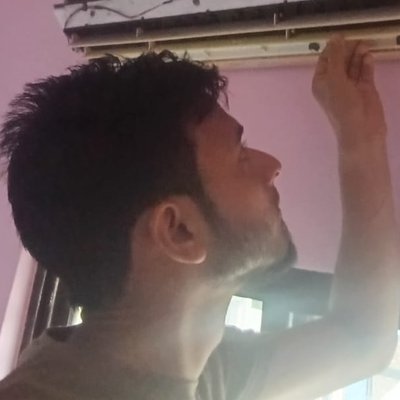
Why is my air cooler leaking water?
If your cooler is leaking water, check the tank, pipes, and water level. Avoid overfilling, tighten loose connections, and inspect the pump to stop leakage.
Most cooler leaks are caused by simple issues like overfilling or loose pipes. A quick 10-minute inspection usually reveals the problem.
Best Air Coolers in IndiaIf your AC is not performing well, consider upgrading to a more efficient model. best AC models →
Quick Answer: Why Is My Air Cooler Leaking Water?
Air cooler water leakage usually happens due to overfilling, damaged tank, loose pipes, or pump issues. Fixing these problems can stop leakage and restore proper functioning.
Why Is My Air Cooler Leaking Water?
These four issues account for nearly every water leakage complaint from cooler owners.
Overfilled Tank
Every cooler tank has a maximum fill line. When water exceeds this limit, the slightest movement or vibration causes overflow through the top vent or side gaps. This is the most common reason for leakage, especially when users fill the tank blindly without checking the indicator.
Damaged or Cracked Tank
Plastic cooler tanks develop hairline cracks over time due to heat stress, hard water mineral buildup, and physical impact. A crack as thin as a hair can leak several liters per day. Cracks often form at corners and around the drain plug area where stress concentrates.
Loose Pipe Connections
The water distribution pipe connecting the pump to the cooling pad frame can slip off its fitting, especially in portable coolers that are moved frequently. A loose pipe dumps water directly onto the floor instead of dripping it evenly over the pads.
Pump Issues
A malfunctioning pump may push water too aggressively, flooding the pad tray beyond its drainage capacity. Alternatively, a weak pump can cause uneven water distribution, leading to pooling in one corner that overflows. Pump impeller damage is common after 2–3 seasons.
How to Fix Water Leakage in Air Cooler
Follow these four steps to stop leakage and restore proper functioning.
Avoid Overfilling
Always fill the tank only up to the maximum water level indicator marked on the inside wall. Never fill above this line even if the tank looks like it can hold more. The extra space at the top prevents spillage when the cooler is moved or when the pump circulates water.
Check Tank for Cracks
Empty the tank completely and inspect every surface under bright light. Look for hairline cracks, especially at corners and around the drain plug. Small cracks can be sealed with waterproof epoxy or silicone sealant. If cracks are widespread or the tank is warped, replace the tank or the entire cooler.
Tighten Pipe Connections
Trace the water pipe from the pump outlet to the pad distribution tray. Ensure every joint is pushed firmly onto its fitting. If connections are loose, wrap the pipe end with a thin layer of Teflon tape before reinserting. For older coolers, the rubber grommets may have hardened and need replacement.
Inspect the Water Pump
Remove the pump from the tank and check the impeller for debris, hair, or broken blades. A clogged impeller reduces flow and can cause back-pressure that forces water out through weak points. Clean the impeller gently with a brush. If the pump motor hums but does not spin, replace the pump — spare pumps cost ₹200–₹400.
How to Prevent Cooler Leakage
Stop leaks before they start with these simple preventive habits.
Regular Maintenance
Inspect the tank, pipes, and pump at the start of every season. Tighten loose fittings, clean the pump impeller, and check the tank for new cracks. A 10-minute pre-season inspection prevents leaks before they start.
Use Correct Water Level
Never exceed the maximum fill line. In daily use, keep the water level between the minimum and maximum marks. Running on very low water damages the pump; overfilling causes spills. The correct level keeps both problems away.
Clean Tank Weekly
A clean tank lets you spot cracks, algae buildup, and sediment early. Sediment accumulation at the bottom can clog the pump inlet, causing pressure irregularities that lead to leaks. Weekly scrubbing keeps everything visible and functional.
Place on Level Surface
A tilted cooler causes water to pool on one side and overflow through the lowest edge. Always place your cooler on a flat, stable surface. Use a small spirit level to check if the floor is even, especially on terraces and balconies.
When You Should Replace Your Cooler
Some leaks cannot be fixed. Here is when to consider upgrading.
Leakage Returns After Repair
If you have sealed cracks and tightened pipes but water still finds a way out, the tank material may be fatigued. Repeated fixes become more expensive than a new cooler.
Tank Is Warped or Brittle
Old plastic tanks become brittle and warp under heat. A warped tank never seals properly around the pump housing or drain plug, causing chronic leaks that no sealant can fix.
Multiple Parts Failing
When the pump, tank, and pipes all need replacement at once, the total repair cost approaches the price of a new cooler. Modern coolers come with rust-proof tanks and better sealing.
Upgrade to a Better Air Cooler
If leakage continues even after fixing, the cooler may be damaged and replacing it is a better option.
Explore Best Air Coolers in IndiaAI Summary
Water leakage in air coolers is usually caused by overfilling or damaged components, and simple fixes can solve most issues.
A 5-minute inspection of the tank level, pipe joints, and pump condition resolves over 80% of cooler leakage complaints. Preventive maintenance at the start of each season keeps leaks from returning.
If you are comparing different AC models and prices, exploring a complete guide can help you choose the right one. Best AC in India →
Choosing the right AC depends on multiple factors, including budget and room size. top air conditioners →
Frequently Asked Questions
Quick answers about cooler water leakage.
The most common causes are overfilling the tank, cracks in the tank, loose pipe connections, or a faulty pump. Start by checking the water level — if it is above the maximum line, drain some water. Then inspect the tank for visible cracks and trace the pipe from pump to pads for disconnected joints.
Still struggling with frequent AC problems? Explore the best replacement options. best AC models →
If your AC is over 8 years old or keeps failing, it may be time to upgrade. top air conditioners →

Sulaiman Sekh
Verified ExpertHVAC Expert & AC Repair Specialist
Sulaiman has 8+ years of hands-on experience in diagnosing and repairing air conditioning systems. He works with real AC units daily and ensures all guides are practical and based on real-world scenarios.
This article has been reviewed by an HVAC professional with real-world experience to ensure accuracy and practical usefulness. All recommendations are based on hands-on field work, not manufacturer spec sheets alone.
