
AC Not Turning On?Causes & Quick Fix Guide 2026
If your AC is not starting or turning on, here are the most common reasons and simple fixes you can try immediately.
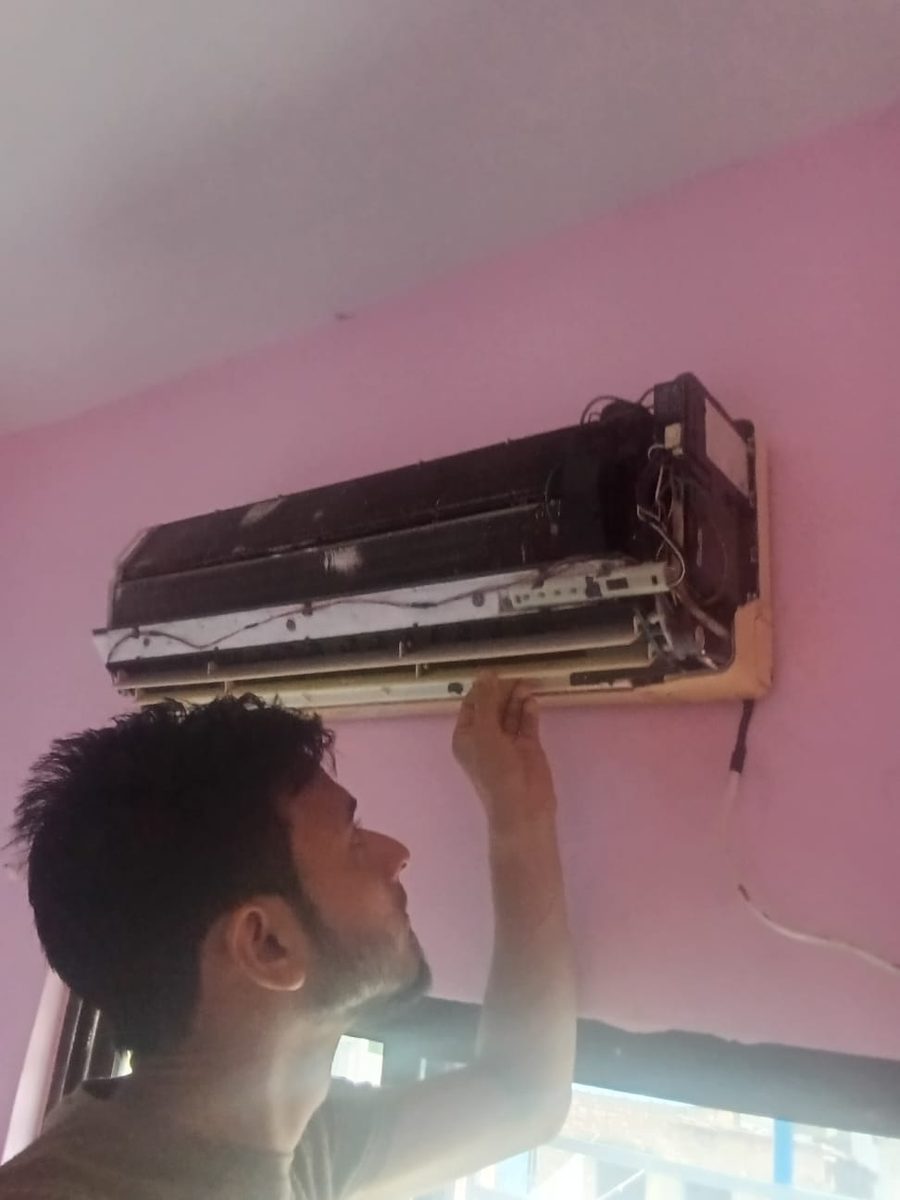 Reviewed by Sulaiman Sekh·HVAC Expert (8+ years experience)·Last Updated: February 2026
Why won't my AC turn on?
Check the power socket with another device, replace the remote batteries, and reset the circuit breaker. If the indoor unit shows no lights at all, power is not reaching the unit.
If lights come on but the outdoor unit does not start, the problem is likely a faulty capacitor, compressor issue, or PCB fault. These require a certified technician.
Explore Best AC Models in IndiaIf your AC is not performing well, consider upgrading to a more efficient model. best AC models →
Quick Answer
Check the power socket, replace remote batteries, and reset the circuit breaker — these three steps fix 70% of AC startup failures. If the indoor unit shows no lights, power is not reaching it. If lights come on but the outdoor unit won't start, the capacitor or compressor needs a technician.
AC Not Starting — Quick Checklist
Check power socket first
Plug a phone charger into the same socket. If it doesn't charge, the socket is dead — check the MCB panel for a tripped breaker.
Replace remote batteries
Even batteries that look fine may have dropped below the voltage threshold for IR transmission. Swap in fresh alkaline batteries.
Reset the circuit breaker
Turn the AC breaker fully OFF, wait 30 seconds, then back ON. If it trips again within 5 minutes, stop and call an electrician.
Try the manual ON button
Open the indoor unit front panel and press the AUTO or ON button. If the AC starts, the problem is the remote or receiver sensor.
Capacitor or PCB fault needs a tech
If lights come on but the outdoor unit won't start, the capacitor, compressor, or PCB is faulty. Do not open the outdoor unit yourself.
Quick Answer
The most common reasons your AC will not turn on are:
If your AC is not turning on due to major faults or age, replacing it may be the best option. Explore top ACs here Best Air Conditioners in India.

Before anyone condemns the PCB, I check the cheap things first: a tripped MCB, a stabilizer sitting in cut-off after a voltage spike, a flat or mismatched remote, and the indoor-unit fuse. And after a power cut, most inverter ACs hold a built-in three-minute restart delay to protect the compressor — I've seen boards replaced that only needed three minutes of patience.
— Sulaiman Sekh, HVAC Technician · 8+ years in the field, residential to plant
Main Causes
These five issues cover nearly every AC startup failure we diagnose in the field.
Power Supply Issue
The most basic cause. Check if the AC socket has power, the plug is firmly inserted, and the power cord is not damaged. Voltage fluctuations or power outages can also prevent startup even when other appliances work.
Remote Control Problem
Dead batteries are surprisingly common. Also check if the remote's infrared LED is working, and whether the indoor unit's receiver sensor is blocked by dust or curtains. Try the manual ON button on the indoor unit.
Tripped Circuit Breaker
High inrush current at startup can trip the MCB. If the breaker trips immediately when you turn the AC on, there is likely a short circuit or ground fault in the wiring. Do not force-reset repeatedly — it can damage the PCB.
Faulty Capacitor
The start capacitor provides the electrical boost the compressor needs to begin spinning. A weak or dead capacitor causes a humming sound but no startup. Capacitor failure is especially common after voltage spikes.
Internal Wiring Fault
Loose connections, burnt terminals, or damaged wiring inside the indoor or outdoor unit can interrupt power before it reaches the compressor. These faults require a trained technician and should not be handled by homeowners.
Quick Fixes to Try Now
Run through these checks in order. Most no-start issues are resolved in under 5 minutes.
Check the Power Supply
Plug a phone charger or lamp into the same socket to confirm power. Check the main MCB panel — if the AC breaker is tripped, flip it off completely then back on. If it trips again immediately, stop and call an electrician.
Replace Remote Batteries
Swap in fresh AA or AAA batteries. Point the remote at your phone camera and press any button — if you see a flashing light on the camera screen, the remote is working. If not, the remote itself is faulty.
Reset the Circuit Breaker
Turn the AC breaker fully OFF, wait 30 seconds, then turn it back ON. This clears any temporary overload protection. If the breaker trips again within 5 minutes, there is a serious electrical fault — do not retry.
Try the Manual ON Button
Open the indoor unit front panel and look for a small push button labeled AUTO or ON. Press it. If the unit starts, the problem is the remote or the receiver sensor. If it still does not start, the fault is internal.
When to Call a Technician
Some problems are not safe or practical to fix yourself. Here is when to bring in a professional.
AC Still Not Turning On
If you have checked power, batteries, breaker, and the manual button and the unit remains completely dead, the fault is inside the unit. A technician needs to test voltage at the PCB, compressor terminals, and capacitor.
Electrical Issues
Burnt smell, scorch marks near the socket, or a breaker that trips repeatedly all indicate dangerous electrical faults. Do not attempt DIY repairs on AC wiring — 240V power can be lethal. Call a licensed technician.
Compressor Failure
If the indoor unit powers on but the outdoor unit makes a loud hum then clicks off, the compressor or its capacitor has failed. Compressor replacement costs ₹12,000–₹20,000. If your AC is over 8 years old, replacement is usually smarter.
When to Replace Your AC
Sometimes an AC that will not start is telling you it is time for an upgrade.
Old AC Not Starting
If your AC is over 8 years old and suddenly stopped starting, the compressor, capacitor, and PCB are all at end-of-life. Repairing each component one by one becomes a money pit.
Frequent Breakdowns
An AC that breaks down every summer and needs repeated service calls is unreliable. Each repair adds cost and stress. A new inverter AC gives you peace of mind and lower electricity bills.
High Repair Cost
If the estimated repair exceeds 40% of a new AC price, upgrading is the smarter financial choice. New models also come with 5–10 year compressor warranties and 30–50% better efficiency.
If your AC has repeated issues, consider upgrading to a reliable model. Modern ACs are built with better components, longer warranties, and smarter protection against voltage fluctuations.
Best AC in IndiaReal-World Insight
Many AC startup issues are caused by minor electrical faults, but older units often develop repeated failures that make replacement more practical. In our experience, about 60% of no-start calls are resolved by resetting the breaker or replacing the capacitor — both under ₹500 fixes. But if the unit is over 8 years old and has already had two major repairs, the next failure is usually the compressor. At that point, a new AC is the wiser investment.
Prevention Tips
Prevent startup failures before they leave you sweating. These three habits matter most.
Regular Servicing
Schedule deep service every 6 months. A technician will test the capacitor, check voltage stability, inspect wiring connections, and clean the PCB contacts. Preventive maintenance catches problems before they cause a total failure.
Stable Power Supply
Install a voltage stabilizer even if your AC claims stabilizer-free operation. In reality, most units shut down below 160V or above 270V. A stabilizer keeps the compressor and capacitor safe during fluctuations.
Proper Wiring from Install
Ensure the installer uses the correct wire gauge for the AC load, installs a dedicated MCB, and grounds the unit properly. Cheap or shared wiring is the root cause of many electrical startup failures.
To find reliable and efficient AC models, visit Best AC in India.
Choosing the right AC depends on multiple factors, including budget and room size. top air conditioners →
Frequently Asked Questions
Quick answers for urgent AC startup problems.
Start with the basics: check the power socket with another device, replace remote batteries, and reset the circuit breaker. If the indoor unit shows no lights or sounds at all, the issue is likely no power reaching the unit. If lights come on but the outdoor unit does not start, the problem is probably a faulty capacitor, compressor issue, or PCB fault.
Still struggling with frequent AC problems? Explore the best replacement options. best AC models →
If your AC is over 8 years old or keeps failing, it may be time to upgrade. top air conditioners →
This article has been reviewed by an HVAC professional with real-world experience to ensure accuracy and practical usefulness. All recommendations are based on hands-on field work, not manufacturer spec sheets alone.
AC Not Turning On — Cause & Fix
Match your symptom to the likely cause and action.
| Symptom | Likely Cause | Fix | DIY? |
|---|---|---|---|
| No lights, no sound | No power to unit | Check socket + MCB | Yes |
| Remote not responding | Dead batteries / sensor | Replace batteries | Yes |
| Breaker trips on start | Short circuit / compressor lock | Call electrician | No |
| Lights on, outdoor won't start | Faulty capacitor / PCB | Call technician | No |
| Starts then shuts off | Overload protection / low voltage | Check voltage / stabilizer | Partial |
AC Not Turning On — FAQs
Quick answers for urgent AC startup problems.
Why is my AC not turning on?
Start with the basics: check the power socket with another device, replace remote batteries, and reset the circuit breaker. If the indoor unit shows no lights or sounds at all, the issue is likely no power reaching the unit. If lights come on but the outdoor unit does not start, the problem is probably a faulty capacitor, compressor issue, or PCB fault.
Can I fix AC not turning on by myself?
Yes, for simple causes. Confirm power at the socket, replace remote batteries, reset the breaker, and try the manual ON button on the indoor unit. If none of these work, the fault is internal and requires a certified technician. Never open the outdoor unit electrical panel unless you are trained.
Is it better to repair or replace my AC?
Repair if the unit is under 6 years old and the fix is under 30% of a new AC price. Replace if the unit is over 8 years old, has had multiple major repairs, or the compressor has failed. New inverter ACs save 30–50% on electricity and come with long warranties.
Why does my AC breaker keep tripping?
A breaker that trips immediately when the AC starts indicates a short circuit, ground fault, or compressor lock. Do not keep resetting it — this can damage the PCB and wiring. Call an electrician or HVAC technician to test the compressor amp draw and inspect the wiring.
Can a voltage stabilizer fix an AC that won't start?
Only if the cause is low voltage. If your voltage drops below 180V, the compressor may not start. A stabilizer boosts voltage to the proper range. But if voltage is normal and the AC still will not start, the stabilizer will not help — the problem is mechanical or electrical inside the unit.
Expert Review by Sulaiman Sekh
HVAC Technician · 8+ Years Experience · Fact-checked & field-tested
