
AC Making Noise?Causes & Fix Guide 2026
If your AC is making unusual sounds like buzzing, rattling, or clicking, here are the most common reasons and fixes.
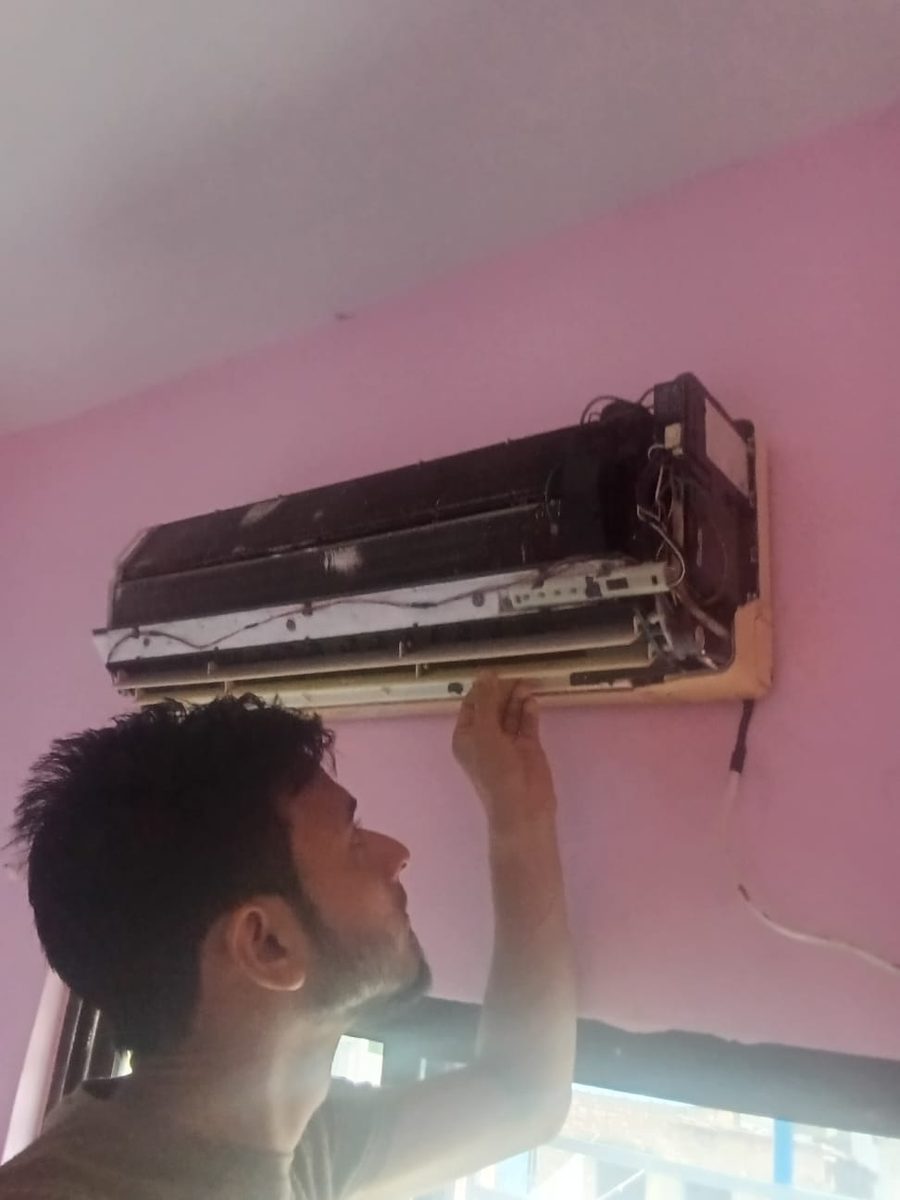 Reviewed by Sulaiman Sekh·HVAC Expert (8+ years experience)·Last Updated: February 2026
Why is my AC making noise?
Loose screws, dirty fan blades, or debris in the outdoor unit are the most common causes of AC noise. A buzzing sound usually means an electrical issue, while rattling points to loose parts.
Tighten all visible screws, clean the filters, and clear debris from the outdoor unit. If the noise persists or is accompanied by weaker cooling, call a technician.
Quietest AC Models in IndiaIf your AC is not performing well, consider upgrading to a more efficient model. best AC models →
Quick Answer
Loose screws and debris in the outdoor unit are the most common causes of AC noise. Tighten all visible screws, clean the filters, and clear the outdoor fan cage. Buzzing = electrical issue. Rattling = loose parts. Hissing = refrigerant leak. If noise persists after basic fixes, call a technician.
AC Noise — Quick Diagnosis by Sound
Rattling = loose parts
Loose screws on the outdoor casing, mounting bracket, or indoor panel. Tighten all visible screws — this fixes 60% of AC noise complaints.
Buzzing = electrical issue
Failing contactor, loose wiring, or weak capacitor. Do not open the electrical box yourself — call a technician.
Hissing = refrigerant leak
A hissing sound with weaker cooling means refrigerant is escaping. Turn off the unit and call a technician immediately.
Grinding = bearing wear
Worn motor or compressor bearings produce grinding sounds. This requires professional repair before the motor seizes completely.
Clicking = debris in fan
Leaves, twigs, or plastic fragments hitting the outdoor fan blade. Power off, remove the top grille, and clear debris by hand.
Quick Answer
The most common reasons your AC is making noise are:
If your AC is old or making frequent noise, upgrading to a quieter and efficient model may be the best solution. Explore options here Best Air Conditioners in India.

Different noises tell different stories. A rattle is usually loose panels or fan screws. A loud hum that won't start is almost always a failing capacitor. A grind or screech from the outdoor unit is the condenser-fan bearing. I never let a new outdoor-unit noise keep running — a seizing fan motor can take the compressor down with it, turning a small part into a major repair.
— Sulaiman Sekh, HVAC Technician · 8+ years in the field, residential to plant
Types of AC Noises & What They Mean
Different sounds point to different problems. Here is how to diagnose each noise and what action to take.
Buzzing Noise
What it means
A low, continuous buzz usually points to an electrical issue or loose internal parts. Common causes include a failing contactor, loose wiring terminals, or vibrations from an unsecured panel. In some cases, the compressor motor windings begin to degrade, creating a persistent hum that grows louder over time.
How to fix
Tighten all visible screws on the outdoor unit panels. If the buzz is coming from the electrical box, call a technician to inspect the contactor and capacitor. Never touch live electrical connections.
Rattling Noise
What it means
Rattling is the easiest noise to identify and often the easiest to fix. Loose screws on the outdoor unit casing, debris like dry leaves or twigs inside the fan cage, or a detached drain pan can all create rattling. Indoor unit rattling is usually the filter cover or panel not seated properly.
How to fix
Turn off the AC and check the outdoor unit for loose debris. Tighten all screws on the casing. Inside, press firmly on the front panel and filter cover to ensure they click into place.
Clicking Sound
What it means
Clicking when the AC starts or stops is usually the thermostat relay or contactor opening and closing. If the clicking is rapid or continuous, the relay may be failing or the thermostat is sending erratic signals. A single loud click during startup is normal for most compressors.
How to fix
Replace thermostat batteries. If clicking persists, the relay inside the outdoor unit may need replacement. This is a ₹800–₹1,500 part, but the diagnosis should be done by a technician.
Hissing Noise
What it means
A hissing or whistling sound from the refrigerant lines is a red flag. It almost always means a refrigerant leak at the copper tubing joints, indoor coil, or outdoor condenser. You may also notice weaker cooling and higher electricity bills.
How to fix
Do not attempt to fix refrigerant leaks yourself. A technician must locate the leak with a pressure test, seal it with brazing, and recharge the system. Running an AC low on refrigerant damages the compressor permanently.
Loud Compressor Noise
What it means
The compressor should hum quietly from the outdoor unit. If it becomes noticeably loud — grinding, screeching, or deep rumbling — the internal motor bearings are failing. This is irreversible damage. A compressor replacement costs ₹12,000–₹20,000.
How to fix
If your AC is under 5 years old, the compressor may still be under warranty — contact the brand service center. If over 8 years old, replacement is almost always the smarter financial choice.
How to Fix AC Noise Issues
Follow these four steps to eliminate most common AC noises without calling a technician.
Tighten Loose Parts
Use a screwdriver to check every screw on the outdoor unit panels, mounting bracket, and fan cage. A single loose screw can create a loud rattle that sounds far worse than it is. Also press the indoor unit panels firmly to ensure they are fully locked.
Clean Filters and Fan
Dirty filters restrict airflow and cause the indoor blower fan to strain, producing a whining or vibrating noise. Remove and wash filters every 2 weeks. For the outdoor unit, clear leaves, grass, and debris from the fan blades and condenser coils.
Remove Debris from Outdoor Unit
Twigs, plastic bags, and small stones can fall into the outdoor unit and hit the spinning fan blade, creating a rhythmic clacking sound. Power off the unit, remove the top grille, and clear out any debris by hand or with a soft brush.
Call a Technician if Needed
If the noise persists after tightening, cleaning, and debris removal, the problem is internal. Electrical buzzing, compressor grinding, or refrigerant hissing all require professional tools and training. Do not open the electrical panel yourself.
When to Worry
Some noises are harmless. These three are not — act quickly if you hear them.
Loud Continuous Noise
If the noise is constant, loud enough to hear from another room, and does not stop after 10 minutes of running, there is likely mechanical damage inside the compressor or fan motor. Running the unit in this state can cause cascading damage.
Sudden Change in Sound
An AC that was quiet for years and suddenly becomes loud is a strong signal of an internal failure. Bearings wear out, motors seize, and mounts break — all at once. A sudden change almost always means something broke, not just got dirty.
Burning Smell with Noise
Any burning or electrical smell combined with noise is an emergency. Turn off the AC immediately at the breaker. This indicates overheating wiring, a failing capacitor, or motor insulation burning. Do not restart the unit — call a technician immediately.
When to Replace Your AC
Persistent noise can be a sign that your AC has reached the end of its reliable life.
Old AC Making Noise
If your AC is over 8 years old and the noise is getting progressively louder, internal wear is accelerating. Compressor bearings, fan motors, and mounting brackets all degrade with age. Repairing each component individually becomes expensive and temporary.
Frequent Repairs
An AC that makes noise every season and needs repeated service calls is unreliable. The root cause is often cumulative internal wear that no single repair can fully resolve. New inverter ACs are significantly quieter, with noise levels as low as 32 dB.
Inefficient Operation
Noise is often a symptom of an overworked system. A struggling compressor runs louder and draws more power, increasing your electricity bill while delivering weaker cooling. New 5-star inverter models consume 30–50% less power and run whisper-quiet.
If your AC is becoming noisy and inefficient, consider upgrading to a modern model. Today's ACs are built with noise-dampening compressors, better insulation, and inverter technology that keeps the unit running quietly even at full capacity.
Best AC in IndiaReal-World Insight
Most AC noise issues are caused by loose components or lack of maintenance, but persistent loud noise can indicate serious internal damage. In our field experience, about 70% of noise complaints are resolved by tightening a few screws and clearing debris — fixes that take under 15 minutes and cost nothing. However, if the noise is accompanied by weaker cooling, higher bills, or a burning smell, the problem is likely compressor or motor failure. At that stage, especially on units over 7 years old, replacement is almost always more economical than repair.
Prevention Tips
Most AC noise is preventable. These three habits keep your unit running quietly for years.
Regular Servicing
Book deep service every 6 months. A technician will tighten screws, clean the blower fan, lubricate motor bearings, and check the compressor mounts. Preventive maintenance catches loose parts before they rattle and bearings before they grind.
Proper Installation
Poor installation is a leading cause of long-term noise. The outdoor unit must sit on a level, vibration-dampening pad with all mounting bolts tightened. Indoor units should be mounted on a solid wall, not a hollow partition that amplifies vibrations.
Clean Filters and Units
Wash filters every 2 weeks. Clear the outdoor unit of leaves, grass clippings, and dust monthly. A clean system runs smoothly, quietly, and efficiently. A dirty fan blade becomes unbalanced and creates a persistent wobble noise.
To explore quieter and more efficient AC models, visit Best AC in India.
Choosing the right AC depends on multiple factors, including budget and room size. top air conditioners →
Frequently Asked Questions
Common questions about AC noise and what to do about it.
AC noise is usually caused by loose parts, dirty fan blades, debris in the outdoor unit, refrigerant leaks, or failing compressor bearings. Start by tightening screws, cleaning filters, and clearing debris. If the noise persists or is accompanied by weaker cooling, the problem is likely internal and needs a technician.
Still struggling with frequent AC problems? Explore the best replacement options. best AC models →
If your AC is over 8 years old or keeps failing, it may be time to upgrade. top air conditioners →
This article has been reviewed by an HVAC professional with real-world experience to ensure accuracy and practical usefulness. All recommendations are based on hands-on field work, not manufacturer spec sheets alone.
AC Noise Types — Cause & Fix
Identify your noise type and the recommended action.
| Sound Type | Likely Cause | DIY Fix | Urgency |
|---|---|---|---|
| Rattling | Loose screws / panels | Yes — tighten screws | Low |
| Buzzing | Electrical / capacitor | No | Medium |
| Hissing | Refrigerant leak | No | High |
| Grinding | Worn bearings | No | High |
| Clicking | Debris in fan | Yes — clear debris | Low |
| Squealing | Fan belt / motor | Partial | Medium |
AC Noise FAQs
Common questions about AC noise and what to do about it.
Why is my AC making noise?
AC noise is usually caused by loose parts, dirty fan blades, debris in the outdoor unit, refrigerant leaks, or failing compressor bearings. Start by tightening screws, cleaning filters, and clearing debris. If the noise persists or is accompanied by weaker cooling, the problem is likely internal and needs a technician.
Is AC noise dangerous?
Most AC noises are not dangerous — rattling from loose screws or buzzing from a panel vibration is harmless. However, a hissing sound with weaker cooling means refrigerant is leaking, which is an environmental hazard. A burning smell combined with noise is an electrical fire risk. Turn off the unit immediately and call a technician.
How to reduce AC noise?
Tighten all screws on the outdoor unit casing and mounting bracket. Clean or replace dirty filters. Remove leaves and debris from the outdoor fan cage. Ensure the indoor unit is mounted on a solid wall. If the compressor is the source, install anti-vibration pads under the outdoor unit or consider upgrading to a quieter inverter model.
Why is my AC making a buzzing sound?
Buzzing usually indicates an electrical issue: a failing contactor, loose wiring, or a weak capacitor. It can also come from a loose panel vibrating at the compressor's frequency. Tighten visible screws first. If the buzz continues and seems to come from the electrical box, call a technician — do not open it yourself.
Can a noisy AC cause higher electricity bills?
Yes. A struggling compressor runs louder and draws more current to deliver the same cooling. Unbalanced fan blades and clogged filters also force the motor to work harder. If your AC has become noticeably louder and your bill has risen, the unit is overworking and likely needs maintenance or replacement.

Expert Review by Sulaiman Sekh
HVAC Technician · 8+ Years Experience · Fact-checked & field-tested
Related guides
AC Smells Bad
Mold, bacteria, and filter cleaning
AC Freezing Up
Ice on coils and low gas
AC Remote Not Working
Battery, sensor, and pairing
AC Maintenance Calendar
Yearly service schedule
AC Not Starting After Power Cut
Voltage surge protection and safe restart protocol
AC Outdoor Unit Problems
Fan not spinning, noise, compressor issues
