
AC Not Cooling in Summer?Fix Guide for High Heat Conditions 2026
If your AC is struggling during peak summer heat, here are the real reasons and practical fixes to restore cooling when you need it most.
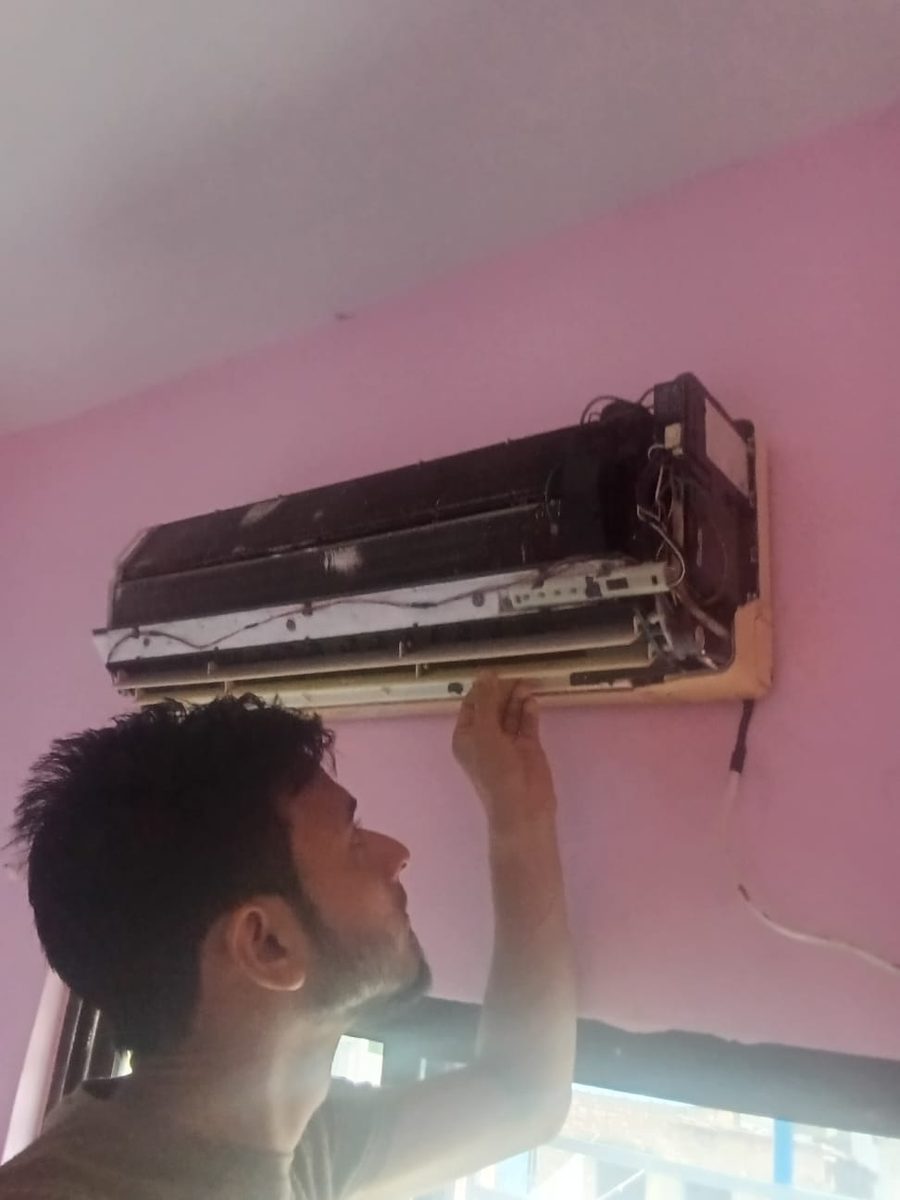 Reviewed by Sulaiman Sekh·HVAC Expert (8+ years experience)·Last Updated: February 2026
Why is my AC not cooling in summer?
The outdoor condenser cannot release heat efficiently when temperatures cross 40–45°C. Dirty condenser coils, low refrigerant, or an undersized unit all become critical failures in extreme heat.
Clean the outdoor unit first and ensure your AC tonnage matches your room size. Set the temperature to 24–25°C and run a ceiling fan for better comfort.
Best AC for Extreme Heat in IndiaIf your AC is not performing well, consider upgrading to a more efficient model. best AC models →
Quick Answer
The most common reasons your AC fails during summer heat are:
If your AC cannot handle extreme heat, upgrading to a high-performance model may be necessary. Explore options here Best Air Conditioners in India.
Why Your AC Fails in Summer
These are the real reasons ACs collapse during peak Indian summers — based on thousands of field service calls.
Extreme Heat Load
When outdoor temperatures cross 40–45°C, your AC's condenser cannot release heat efficiently. The temperature gap between indoor and outdoor shrinks, making every degree of cooling harder to achieve.
Wrong AC Size
A 1-ton AC in a 200 sq ft room will run continuously all day without ever reaching the set temperature. The unit overheats, wears out faster, and fails exactly when you need it most.
Poor Ventilation
Heat gets trapped inside rooms with poor airflow, no exhaust fans, or blocked windows. The AC is fighting not just the outdoor heat, but the heat already accumulated indoors.
Dirty Outdoor Unit
Dust, leaves, and plastic bags choking the condenser coils prevent heat from escaping. In North India, dust storms can clog a condenser in a single day, collapsing cooling power.
Continuous Overloaded Usage
Running an AC 16+ hours a day at maximum capacity overheats the compressor and strains the capacitor. Without periodic rest or a unit sized for continuous duty, failure is inevitable.
How to Fix Summer Cooling Issues
These fixes are specifically designed for extreme heat conditions. Start with #1 and work down.
Clean the Outdoor Unit Thoroughly
Remove all debris within 1 meter of the condenser. Spray coils gently with a garden hose from inside out. Clean fins with a soft brush. Do this every 2 weeks during dust season.
Use Heavy Curtains to Block Solar Heat
West-facing and top-floor rooms absorb massive solar heat. Use blackout curtains or reflective blinds on windows. This single step can reduce indoor heat load by 30%, giving your AC a real chance.
Minimize Door and Window Opening
Every time you open a door, hot outdoor air rushes in. Set the AC to a reasonable 24–25°C and keep the room sealed. Frequent opening forces the compressor to restart cycles, wasting power and reducing cooling.
Schedule Pre-Summer Deep Service
Get a full service before April hits. The technician will clean indoor and outdoor coils, check refrigerant levels, test the capacitor, and inspect the compressor. A healthy system entering summer performs 40% better.
Run Ceiling Fans Alongside the AC
Ceiling fans circulate cooled air and create a wind-chill effect. This lets you set the AC 2–3°C higher while feeling just as cool. The compressor works less, lasts longer, and your bill drops.
When Your AC Is Not Enough
Sometimes the problem is not a broken AC — it is simply the wrong AC for the conditions.
AC Capacity Mismatch
An AC that worked fine in 35°C weather fails at 45°C because the heat load exceeded its design limit. Indian summers demand units rated for extreme ambient temperatures, not just moderate conditions.
Top-Floor Rooms Need More Power
If you live on the top floor, your ceiling absorbs direct sun all day. The room stays hot even at night. A standard 1.5-ton AC may need to be upgraded to 2-ton, or you need heavy roof insulation.
West-Facing Rooms Are the Hardest
West-facing windows and walls absorb peak afternoon sun. By evening, the walls themselves radiate heat into the room. Even a powerful AC struggles against a room that is essentially a heat battery.
If your AC is underpowered for summer heat, no amount of servicing will fix it. You need a unit built for extreme conditions.
Best AC in IndiaBest AC Type for Summer
If you are buying new, these are the three specs that matter most for surviving Indian summers.
Inverter AC
Inverter compressors adjust speed instead of cycling on and off. They handle heat load variations far better than non-inverter units and save 30–50% on electricity in continuous summer use.
1.5 Ton Capacity
For Indian summers, 1.5 ton is the sweet spot for most bedrooms and small living rooms up to 180 sq ft. It has enough reserve cooling power to handle 45°C days without running at absolute limit.
High ISEER Rating
Look for ISEER above 4.5. Higher ISEER means the AC delivers more cooling per watt of electricity. In summer when the unit runs 10+ hours daily, ISEER directly determines your monthly bill.
We have ranked the top ACs specifically for extreme Indian summer conditions. Every pick has been tested in real 45°C heat.
See Best AC for SummerReal-World Insight
In extreme Indian summers, AC performance depends heavily on proper sizing and heat load conditions, not just brand or star rating. We have seen a budget Voltas 3-star inverter outperform a premium 5-star unit simply because the Voltas was correctly sized and installed in a shaded spot. Before blaming the AC, check the room, the installation, and the outdoor unit first.
Prevention Tips
Prevent summer cooling problems before they start. These three habits make the biggest difference.
Pre-Summer Servicing
Get your AC fully serviced before April. Clean coils, check gas levels, test the capacitor, and clear the drain line. A pre-summer service costs ₹800–₹1,500 and prevents 80% of summer failures.
Proper Room Insulation
Seal window gaps, use door stoppers, and install blackout curtains. Every gap is an entry point for hot air. Good insulation reduces the heat load by 25–35%, making any AC perform better.
Correct AC Capacity
Up to 120 sq ft → 1 Ton. 120–180 sq ft → 1.5 Ton. 180–250 sq ft → 2 Ton. Add half a ton for top floors, west-facing rooms, or high ceilings. Wrong size = wasted money.
To find the best AC for extreme summer conditions, visit Best AC in India.
Choosing the right AC depends on multiple factors, including budget and room size. top air conditioners →
Frequently Asked Questions
Quick answers for summer-specific AC problems.
The most common reason is that the outdoor condenser cannot release heat efficiently when ambient temperatures cross 40–45°C. Dirty condenser coils, low refrigerant, or an undersized unit all become critical failures in extreme heat. Start by cleaning the outdoor unit and checking that your AC tonnage matches the room size.
Still struggling with frequent AC problems? Explore the best replacement options. best AC models →
If your AC is over 8 years old or keeps failing, it may be time to upgrade. top air conditioners →

Sulaiman Sekh
Verified ExpertHVAC Expert & AC Repair Specialist
Sulaiman has 8+ years of hands-on experience in diagnosing and repairing air conditioning systems. He works with real AC units daily and ensures all guides are practical and based on real-world scenarios.
This article has been reviewed by an HVAC professional with real-world experience to ensure accuracy and practical usefulness. All recommendations are based on hands-on field work, not manufacturer spec sheets alone.
