
Air Cooler Not Throwing Air?Causes & Fixes (2026 Guide)
If your air cooler fan is not blowing air properly, here are the common causes and easy fixes to restore airflow.
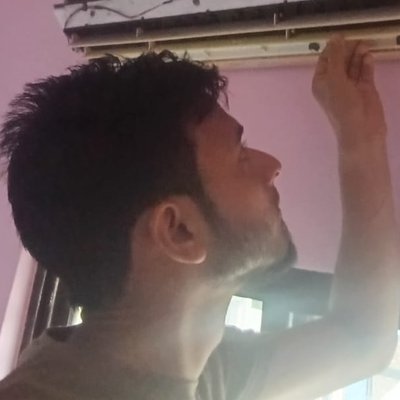
Why is my cooler not throwing air?
If your cooler is not blowing air, check the fan blades, motor, start capacitor, and air vents. Blocked vents and a weak motor are the most common causes of poor airflow.
Most airflow problems are mechanical and can be fixed with basic cleaning and inspection. Start with the simplest checks before considering motor replacement.
Best Air Coolers in IndiaIf your AC is not performing well, consider upgrading to a more efficient model. best AC models →
Quick Answer: Why Is My Cooler Not Throwing Air?
If your air cooler is not throwing air, it may be due to fan blade damage, motor problems, blocked air vents, or low power supply. Fixing these issues can restore proper airflow. Most airflow problems are mechanical and can be resolved with basic cleaning and inspection.
Why Is My Air Cooler Not Blowing Air?
These six issues account for nearly all airflow failures. Most are visible once you open the side panel.
Fan Blade Damage
CriticalBent, loose, or broken blades
The fan blades inside your cooler can bend, loosen, or crack over time — especially in desert coolers that run continuously for 12+ hours daily. Bent blades wobble instead of pushing air efficiently, and a single cracked blade can throw the entire rotor off balance, causing vibration and reduced airflow. Even dust buildup on blade edges acts like an air brake, reducing throw distance by 20–30%.
Motor or Capacitor Failure
HighWeak or faulty motor
The fan motor is the heart of airflow. Over years of use, motor windings degrade, bearings seize from lack of lubrication, and the start capacitor loses its charge capacity. A failing motor may hum but spin weakly, or it may overheat and cut out after 10 minutes. Capacitor failure is extremely common in Indian coolers due to voltage fluctuations during summer peaks.
Blocked Air Vents & Grille
HighDust accumulation chokes airflow
The outlet grille and internal air channels collect a thick mat of dust, lint, and pollen over a season. In dusty North Indian cities, a cooler that has not been cleaned in 3 months can have 60–70% of its vent area blocked. The motor works harder, draws more current, and still produces weak airflow because the air has nowhere to exit cleanly.
Low Voltage or Power Issue
ElectricalReduced motor performance
Cooler motors are designed to run at 220–240V. When voltage drops below 180V during peak summer afternoons, the motor cannot reach its rated RPM. The fan spins slower, air throw distance drops from 15 meters to 5 meters, and the motor overheats. A low-quality or overloaded stabilizer can also starve the motor of the current it needs.
Loose or Broken Drive Belt
MechanicalMotor spins but fan does not
Some cooler designs — especially older desert coolers and certain tower models — use a rubber drive belt to transfer motor power to the fan shaft. Over time the belt stretches, slips, cracks, or snaps entirely. When the belt slips, you hear a squealing noise and the fan barely turns. When it breaks, the motor runs but the fan sits completely still.
Clogged Honeycomb Pads
MaintenanceThick dust layer blocks passage
While honeycomb pads are meant for cooling, severe dust and mineral buildup on the intake side can form a solid crust that blocks air from entering the fan chamber at all. This is different from dirty pads that just reduce cooling efficiency — completely clogged pads can stop airflow entirely by creating a wall the fan cannot pull through.
How to Fix Airflow Problem in Cooler
Step-by-step fixes you can try yourself before calling a technician or replacing the cooler.
Clean Air Vents and Outlet Grille
10 minutesRemove the front grille or outlet cover. Use a soft brush or vacuum with a narrow nozzle to clean every vent slot. For stubborn dust, soak the grille in warm soapy water, scrub gently with an old toothbrush, rinse, and dry completely before reinstalling. Check the internal air channel behind the grille — it often harbors dust bunnies that block 40% of airflow.
Clean vents every 2 weeks during summer. A 5-minute weekly wipe prevents the deep buildup that requires disassembly.
Check and Straighten Fan Blades
5 minutesTurn off power and open the side panel to access the fan. Visually inspect each blade for bends, cracks, or loose screws. Gently bend bent blades back into alignment using your hands or pliers wrapped in cloth to avoid scratching. Tighten any loose screws on the blade hub. Spin the fan by hand — it should rotate smoothly without wobble or scraping noise.
If a blade is cracked, replace the entire blade set. A single cracked blade creates dangerous imbalance at high RPM that can destroy the motor bearings.
Inspect Motor and Start Capacitor
15 minutesWith power on, listen to the motor. A healthy motor hums steadily. A failing motor grinds, squeals, or clicks. If the motor housing is too hot to touch after 5 minutes, the bearings are seized or the capacitor is weak. Locate the cylindrical capacitor near the motor (usually silver or black). If it is bulging, leaking oil, or has burn marks — replace it. Capacitors cost ₹150–₹400 and are the #1 cause of weak motor performance.
Before buying a replacement capacitor, note the microfarad (µF) rating and voltage printed on the old one. Using the wrong rating can damage the motor permanently.
Ensure Proper Voltage Supply
2 minutesUse a multimeter at the cooler power socket. Normal range is 220–240V in India. If voltage reads below 190V, your motor is underpowered. Install a dedicated voltage stabilizer rated for the cooler motor wattage (usually 100–200W for household coolers). If you already have a stabilizer, check that it is not overloaded by other appliances on the same circuit.
Peak summer afternoons (2–5 PM) see the worst voltage drops. Run the cooler at lower speeds during these hours, or invest in a servo-controlled stabilizer for steady output.
Tighten or Replace the Drive Belt
10 minutesFor belt-driven coolers, open the motor compartment and inspect the rubber belt connecting the motor pulley to the fan pulley. A properly tensioned belt should deflect about 1cm when pressed firmly. If the belt is slack, loosen the motor mounting bolts, slide the motor outward to tighten, then retighten. If the belt is cracked, glazed, or snapped, replace it. Match the old belt profile (V-belt, flat belt, or ribbed) and measure the inner circumference.
Belt replacement costs ₹100–₹250 and takes 10 minutes. Keep a spare belt at home if your cooler is belt-driven — they are a wear item that fails every 2–3 seasons.
Remove and Clean Honeycomb Pads
20 minutesSlide out the honeycomb cooling pads from the side panels. If the intake side has a thick dust crust or algae layer, rinse thoroughly under a garden hose. For mineral buildup from hard water, soak pads in diluted white vinegar (1:3 with water) for 15 minutes, then rinse. Do not use high-pressure spray directly on the pad surface — it can tear the cellulose structure. Let pads dry in shade before reinstalling.
If pads are more than 2 years old or permanently stained, replace them. Fresh pads not only cool better but also allow the fan to pull air freely without resistance.
How to Maintain Proper Airflow
Prevention is cheaper than repair. These four habits keep your cooler throwing strong air year after year.
Regular Cleaning Schedule
Clean the outlet grille and intake vents every 2 weeks during active use. Deep-clean the honeycomb pads monthly. In dusty cities like Delhi or Jaipur, clean weekly. A cooler that is cleaned regularly maintains 90%+ of its original airflow, while a neglected unit can drop to 30% airflow in just one season.
Proper Usage Habits
Do not run the cooler at maximum speed continuously for 18+ hours. Give the motor a 30-minute break every 8 hours to prevent overheating. Keep the cooler away from direct sunlight if possible — heat exposure warps plastic parts and degrades the motor faster. Place the cooler on a flat, stable surface to prevent vibration damage to the fan assembly.
Avoid Dust Buildup at Source
If your cooler sits near a window or balcony that faces a busy road, dust enters at much higher rates. Consider adding a thin pre-filter mesh on the intake side that you can shake out weekly. In construction areas, cover the cooler with a cloth when not in use. Prevention is far easier than deep cleaning a dust-choked unit.
Check Belt Tension Monthly
For belt-driven coolers, press the belt midway between pulleys. It should give about 1cm. A slack belt slips, squeals, and transfers less power. A belt that is too tight strains the motor bearings. Adjust motor mounting position seasonally as belts stretch naturally over time.
When You Should Replace Your Cooler
If airflow remains weak despite all fixes, the cooler itself may be beyond repair. Here is when upgrading makes more sense than fixing.
Older Than 5–6 Years
Cooler motors, bearings, and fan housings degrade with age. After 5 years, even a well-maintained cooler loses 30–40% of its original airflow capacity. Newer models use brushless motors and aerodynamic blade designs that move significantly more air with less power.
Motor Replaced Multiple Times
If you have already replaced the motor or capacitor twice, the underlying issue is likely a warped fan housing, corroded wiring, or poor internal alignment. Repeated electrical failures cost more over time than a new unit. Cut your losses and upgrade.
Airflow Still Weak After Full Service
If you have cleaned every component, replaced the pads, checked the motor, and verified voltage — yet the cooler still barely pushes air 3 meters — the fan chamber design or motor specification may simply be too weak for your room size. Modern high-airflow coolers can throw air 15–20 meters.
Ready to Upgrade?
Explore high-performance air coolers with powerful motors, aerodynamic fans, and modern honeycomb pads for maximum airflow.
AI Summary
Airflow issues in coolers are usually caused by fan or motor problems, and regular cleaning helps maintain performance.
In Indian conditions, dust accumulation on vents and fan blades accounts for the majority of weak airflow complaints. A 10-minute cleaning session every 2 weeks keeps airflow at 90% of original capacity.
Choosing the right AC depends on multiple factors, including budget and room size. top air conditioners →
Frequently Asked Questions About Cooler Airflow Problems
Real questions from Indian homeowners dealing with weak or no airflow from their coolers.
The motor running does not guarantee the fan is spinning. Common causes include a broken drive belt, loose fan blade hub, or a seized motor bearing where the motor hums but cannot turn the load. Open the side panel and visually check if the fan spins when the motor is on.
Still struggling with frequent AC problems? Explore the best replacement options. best AC models →
If your AC is over 8 years old or keeps failing, it may be time to upgrade. top air conditioners →

Sulaiman Sekh
Verified ExpertHVAC Expert & AC Repair Specialist
Sulaiman has 8+ years of hands-on experience in diagnosing and repairing air conditioning systems. He works with real AC units daily and ensures all guides are practical and based on real-world scenarios.
This article has been reviewed by an HVAC professional with real-world experience to ensure accuracy and practical usefulness. All recommendations are based on hands-on field work, not manufacturer spec sheets alone.
