
AC Smells Bad?Causes & Fix Guide 2026
If your AC is giving off a bad smell, here are the most common causes and simple ways to fix it.
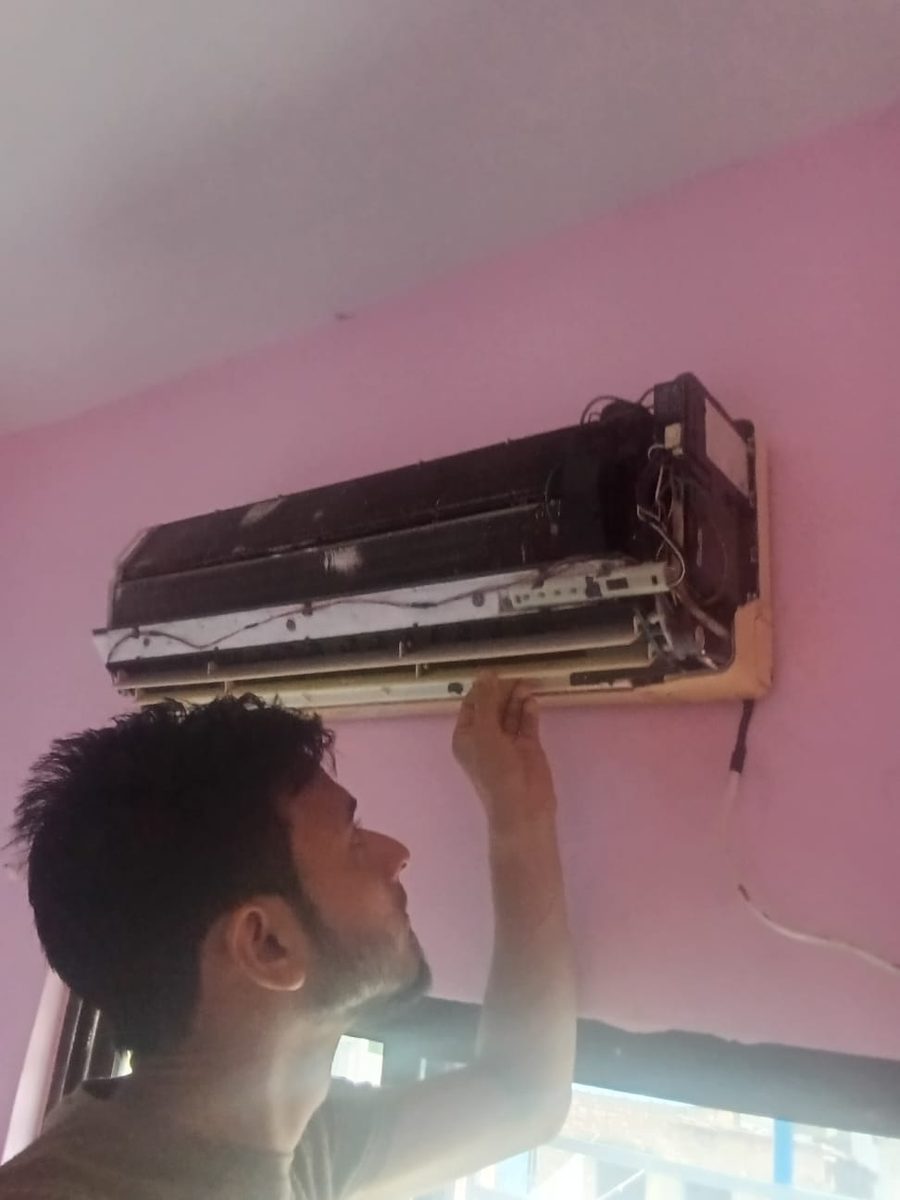 Reviewed by Sulaiman Sekh·HVAC Expert (8+ years experience)·Last Updated: February 2026
Why does my AC smell bad?
Mold and bacteria growing on the evaporator coils or inside a blocked drain pipe are the most common causes. A burning smell means overheating wiring and needs immediate attention.
Clean the filters and drain pipe first. If the smell persists after cleaning, schedule a professional deep service with antibacterial treatment.
Best AC with Anti-Bacterial Filters in IndiaIf your AC is not performing well, consider upgrading to a more efficient model. best AC models →
Quick Answer
The most common reasons your AC smells bad are:
If your AC is old or poorly maintained, upgrading to a cleaner and more efficient model may be the best option. Explore here Best Air Conditioners in India.

A musty smell is almost always mould and biofilm on the wet indoor coil and in the drain tray — routine in a humid Indian summer. A sharp burning or acrid smell is electrical: switch off at the MCB now. For the musty case I deep-clean the coil and blower wheel and clear the drain. An air-freshener spray only masks it for a week.
— Sulaiman Sekh, HVAC Technician · 8+ years in the field, residential to plant
Types of AC Smells & What They Mean
Each smell points to a different problem. Use this guide to identify the cause and the right fix.
Musty Smell
What it means
A damp, earthy odor coming from the indoor unit is almost always mold or fungus growing on the evaporator coils or inside the drain pan. Moisture accumulates on the cold coils during normal operation. If the drain is slow or the unit shuts off before fully drying, mold spores colonize within days.
How to fix
Turn off the AC and clean the evaporator coils with a foaming cleaner. Clear the drain pipe with a wet/dry vacuum. Run the fan-only mode for 30 minutes after cooling to dry the coils completely.
Burning Smell
What it means
A sharp, acrid burning smell indicates an electrical problem. Overheating wiring, a failing capacitor, or a seized compressor motor can produce this odor. It may also come from dust burning off heating elements if your AC has a heat mode that was accidentally activated.
How to fix
Turn off the AC immediately at the circuit breaker. Do not restart it. Call a licensed technician to inspect the electrical panel, wiring, and motor. Burning smells are a fire risk and must not be ignored.
Dirty Sock Smell
What it means
A sour, sweaty odor — often called 'dirty sock syndrome' — is caused by bacterial buildup on the evaporator coils. The bacteria thrive in the dark, moist environment inside the indoor unit and produce volatile compounds that smell exactly like old gym socks.
How to fix
Deep clean the indoor unit coils with an antibacterial foaming cleaner. Replace the filters. In severe cases, a technician can apply a commercial biocide treatment. Running the fan-only mode after cooling helps prevent recurrence.
Rotten Smell
What it means
A foul, decaying odor usually means a small rodent, lizard, or bird has entered the outdoor unit or ductwork and died. The smell intensifies when the AC runs because the airflow pushes the odor into the room. It is more common in units near gardens or open drains.
How to fix
Open the outdoor unit cover and inspect for carcasses. Remove them with gloves and disinfect the area with a bleach solution. Check the indoor unit as well — sometimes pests crawl into the wall cavity behind the unit and decompose there.
Main Causes of Bad AC Smell
These four issues are responsible for nearly every odor complaint we handle in the field.
Dirty Air Filters
Clogged filters trap dust, skin cells, pollen, and moisture — creating a perfect breeding ground for mold and bacteria. When air passes through a dirty filter, it picks up these odors and distributes them throughout the room. This is the single most common cause of AC odor.
Moisture Buildup
The evaporator coils naturally produce condensation. In humid climates like India, the amount of water can overwhelm the drain system. If water sits in the drain pan or leaks into the unit housing, mold and mildew grow within 24–48 hours. The smell becomes noticeable within a week.
Blocked Drainage
The drain pipe removes condensate water from the indoor unit. Over time, algae, sludge, and dust block this narrow pipe. Water backs up into the unit, overflows onto the wall, and stagnates inside the housing. The standing water creates a powerful musty smell and can damage the wall.
Poor Maintenance
An AC that has not been serviced in over a year will have dirty coils, a clogged drain, contaminated filters, and bacterial colonies on every moist surface. The cumulative effect is a persistent, unpleasant odor that no amount of room freshener can mask.
How to Fix AC Odor Issues
Follow these four steps to eliminate bad smells and restore fresh airflow.
Clean Air Filters
Remove the front panel and slide out the filters. Rinse them under running water with mild soap. Let them dry completely before reinstalling. In peak summer, clean filters every 2 weeks. If the filters are permanently stained or damaged after 2 years, replace them entirely.
Use AC Cleaning Spray
Buy a foaming AC coil cleaner from any hardware store. Spray it onto the evaporator coils behind the filter area. Let it sit for 10–15 minutes, then wipe with a soft cloth. This removes mold, bacteria, and accumulated grime that regular filter cleaning cannot reach.
Clear the Drain Pipe
Locate the drain pipe exiting the indoor unit. Attach a wet/dry vacuum to the outdoor end and suck out the blockage. Alternatively, pour a mixture of warm water and mild vinegar into the drain pan to dissolve algae. Repeat monthly during monsoon season.
Schedule Professional Servicing
A deep service every 6 months includes coil chemical cleaning, drain pipe flushing, blower fan cleaning, and antibacterial treatment. This is the only way to fully eliminate deep-set bacterial colonies and prevent odors from returning.
When to Call a Technician
Some odor problems go beyond DIY cleaning. Here is when to bring in a professional.
Burning Smell
Any electrical burning smell is an emergency. It means wiring insulation, a capacitor, or the motor is overheating. Turn off the AC at the breaker immediately and do not restart it. A technician must inspect the electrical panel, test amp draw, and replace any damaged components.
Persistent Odor After Cleaning
If you have cleaned the filters, coils, and drain pipe but the smell returns within a week, the contamination is deep inside the unit. A technician can disassemble the indoor unit, chemically clean the blower housing, and apply industrial-grade antibacterial treatments that home products cannot match.
AC Not Cooling + Bad Smell
When odor is combined with weak or no cooling, the problem is likely a refrigerant leak (hissing smell) or a failing compressor (burning smell). Both require professional diagnosis and repair. Do not attempt to fix refrigerant issues yourself — it requires licensed handling.
When to Replace Your AC
Sometimes persistent odor means your AC is beyond cleaning — it is time for a healthier replacement.
Old AC with Repeated Odor
If your AC is over 8 years old and the smell keeps returning despite regular cleaning, the internal insulation, drain pan, and coil coating may be permanently contaminated. Deep cleaning cannot restore porous materials that have absorbed years of bacterial growth.
Mold Inside the System
When mold has spread beyond the coils into the blower housing, ductwork, and wall cavity, the only permanent solution is removal and replacement. Mold spores circulate in the air and can trigger allergies, asthma, and respiratory infections in sensitive individuals.
Hygiene Concerns
If you have infants, elderly family members, or anyone with respiratory conditions in the home, persistent AC odor is a health risk. New ACs with copper condensers, anti-bacterial filters, and self-cleaning features significantly reduce mold and bacteria buildup.
If your AC continues to smell bad, consider upgrading to a modern model with anti-bacterial filters and self-cleaning technology. New ACs are designed to prevent the moisture and bacterial buildup that causes odors in the first place.
Best AC in IndiaReal-World Insight
Bad smell from AC is usually caused by moisture and dirt buildup, which can lead to bacterial growth if not cleaned regularly. In our field experience, about 80% of odor complaints are resolved by simply cleaning the filters and clearing the drain pipe — both tasks any homeowner can do in under 30 minutes. However, if the smell persists after thorough cleaning and the AC is over 6 years old, the internal insulation and drain pan are likely permanently contaminated. At that stage, replacement is the only way to guarantee clean, healthy air. We always tell our clients: an AC that smells is an AC that is warning you about its condition.
Prevention Tips
Prevent odors before they start. These three habits keep your AC smelling fresh year-round.
Regular Cleaning
Wash filters every 2 weeks during heavy use. Wipe the indoor unit exterior monthly. Spray foaming cleaner on the coils every 3 months. A clean AC simply cannot grow mold or bacteria — there is no organic material for them to feed on.
Keep the AC Dry
After turning off the AC, run the fan-only mode for 15–30 minutes. This dries the evaporator coils completely and prevents moisture from sitting in the drain pan overnight. Moisture is the single requirement for mold growth — remove it, and mold cannot survive.
Annual Servicing
Book a professional deep clean every 6 months, especially before summer and after monsoon. A technician will chemically clean the coils, flush the drain, disinfect the blower, and check for early signs of mold. Prevention costs ₹500–₹800 per service. Replacement costs ₹35,000+.
To choose hygienic and efficient AC models, visit Best AC in India.
Choosing the right AC depends on multiple factors, including budget and room size. top air conditioners →
Frequently Asked Questions
Quick answers about AC odor problems and health concerns.
The most common cause is mold or bacteria growing on the evaporator coils, dirty filters, or inside a blocked drain pipe. Other causes include dead pests in the outdoor unit, electrical burning from overheating wiring, or dust accumulation on heating elements. Start by cleaning the filters and drain pipe — this resolves most odor issues.
Still struggling with frequent AC problems? Explore the best replacement options. best AC models →
If your AC is over 8 years old or keeps failing, it may be time to upgrade. top air conditioners →

Sulaiman Sekh
Verified ExpertHVAC Expert & AC Repair Specialist
Sulaiman has 8+ years of hands-on experience in diagnosing and repairing air conditioning systems. He works with real AC units daily and ensures all guides are practical and based on real-world scenarios.
This article has been reviewed by an HVAC professional with real-world experience to ensure accuracy and practical usefulness. All recommendations are based on hands-on field work, not manufacturer spec sheets alone.
