
AC Remote Not Working?Quick Fix Guide 2026
If your AC remote is not responding or working properly, here are simple fixes you can try at home in under 10 minutes.
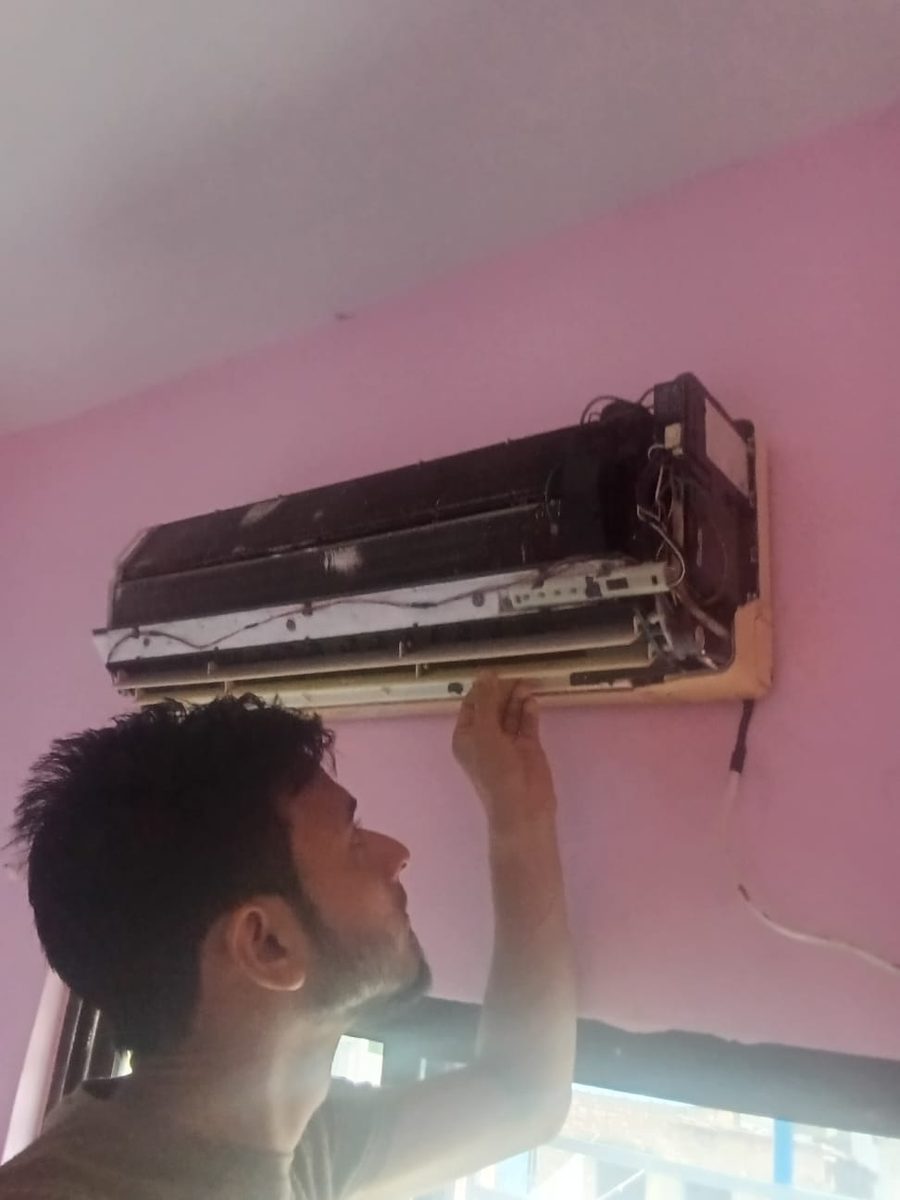 Reviewed by Sulaiman Sekh·HVAC Expert (8+ years experience)·Last Updated: February 2026
Why is my AC remote not working?
Dead batteries are the most common cause. Other reasons include dust blocking the remote's sensor, physical damage, or a faulty receiver on the indoor unit. Start by replacing the batteries.
You can also use your phone camera to check if the remote's IR LED blinks when you press buttons. If it does not blink, the remote itself is faulty.
Smart AC Models with App Control in IndiaIf your AC is not performing well, consider upgrading to a more efficient model. best AC models →
Quick Answer
Replace the batteries first — this fixes 70% of AC remote failures. Point the remote at your phone camera and press a button: if you see a blinking light, the remote works and the problem is the receiver. If no light, the remote is dead. Use the manual ON button on the indoor unit as a temporary fix.
AC Remote Not Working — Quick Checklist
Replace batteries first
Even batteries that look fine may have dropped below the IR transmission threshold. Always start with fresh alkaline batteries.
Phone camera test
Point the remote at your phone camera and press any button. If you see a blinking purple/white light, the remote is working — the problem is the receiver.
Clean the IR windows
Wipe the small transparent window at the top of the remote and the receiver window on the indoor unit with a soft cloth.
Reset the AC unit
Turn off the AC at the breaker and wait 2 minutes. This resets the control board and clears temporary glitches that may ignore remote signals.
Check for interference
LED bulbs and WiFi routers can flood the IR band. Temporarily turn them off and test the remote. If it suddenly works, you found the interference source.
Quick Answer
The most common reasons your AC remote is not working are:
If your AC itself is outdated or malfunctioning, it may be worth upgrading. Explore top models here Best Air Conditioners in India.
Main Causes
These five issues explain nearly every remote control failure we encounter.
Dead Batteries
This is the #1 cause by a wide margin. Remote batteries drain silently over 6–12 months. Even if the display lights up faintly, weak batteries may not generate enough power to transmit the infrared signal to the AC.
Sensor Blockage
Dust, stickers, or tape over the remote's IR LED or the indoor unit's receiver window blocks the signal. Curtains, furniture, or even a tall vase placed in front of the receiver can also interrupt communication.
Remote Damage
A dropped remote can dislodge the IR LED, crack the PCB, or break the battery contact springs. Water damage from spills or humidity can corrode the circuit board and render the remote permanently non-functional.
AC Sensor Fault
The infrared receiver on the indoor unit can fail due to age, voltage spikes, or physical damage. If the remote works on another AC of the same brand, but not on yours, the receiver sensor on the indoor unit likely needs replacement.
Signal Interference
LED bulbs, WiFi routers, and other infrared devices can create interference. If your remote works inconsistently — fine at night but not during the day — nearby electronics may be flooding the IR frequency band.
How to Fix
Try these steps in order. Most remote issues are fixed within minutes.
Replace the Batteries
Install fresh alkaline batteries. Even if the old ones look okay, voltage drops below the threshold needed for IR transmission. Always use the same brand and never mix old and new batteries. Test immediately after swapping.
Clean the Remote Sensor Window
Use a soft cloth to wipe the small transparent IR window at the top of the remote. On the indoor unit, locate the receiver window — usually a small dark plastic dot near the display — and clean any dust covering it.
Reset the AC Unit
Turn off the AC at the breaker and wait 2 minutes. This resets the indoor unit's control board and clears any temporary software glitches that may be ignoring remote signals. Power back on and test.
Use the Manual Power Button
Open the front panel of the indoor unit and press the manual AUTO or ON button. If the AC starts manually, the problem is isolated to the remote or the receiver. If it still does not start, the issue is inside the unit itself.
Move Nearby Electronics
Temporarily turn off LED bulbs, move WiFi routers at least 2 meters away, and eliminate other infrared remotes in the same room. Test the AC remote again. If it suddenly works, you have found the interference source.
Test Your Remote
Use this simple trick to check if your remote is actually sending a signal.
Use Your Mobile Camera
Smartphone cameras can detect infrared light that is invisible to the human eye. This is the quickest way to confirm whether your remote is sending signals.
- 1Open your phone's camera app.
- 2Point the remote's IR window directly at the camera lens.
- 3Press any button on the remote.
- 4Look at your phone screen. If you see a flashing purple or white light from the remote's tip, the remote is working.
Note: Some newer phones have IR filters that block this trick. If you see no light, try an older phone or a digital camera. No light usually means dead batteries or a broken remote.
When to Replace Remote or AC
Sometimes a broken remote is a signal that the whole system needs an upgrade.
Remote Not Repairable
If the remote has been dropped in water, the PCB is corroded, or the IR LED is physically broken, replacement is your only option. Universal remotes cost ₹300–₹800 and work with most major brands.
AC Sensor Failure
If the remote works on a different AC of the same brand but not on yours, the indoor unit's IR receiver is faulty. Receiver replacement costs ₹500–₹1,200. If your AC is also showing other problems, consider replacing the unit.
Old AC Models
If your AC is over 10 years old, finding a compatible remote can be difficult. Even universal remotes may not support discontinued infrared protocols. Upgrading to a modern smart AC gives you app control, voice control, and no dependency on a physical remote.
If your AC is old or frequently malfunctioning, consider upgrading. Modern ACs come with WiFi app control, voice assistant support, and far more reliable components.
Best AC in IndiaReal-World Insight
Most AC remote issues are minor and can be fixed easily, but repeated failures may indicate a deeper issue with the AC unit. In our field experience, about 80% of remote complaints are resolved by replacing batteries or cleaning the sensor window. But if you are on your third universal remote in two years, the indoor unit's receiver board is likely degrading. That is a sign the whole system is aging and replacement should be on your radar.
Prevention Tips
A little care goes a long way. These habits keep your remote working reliably year after year.
Keep the Remote Clean
Wipe the remote weekly with a dry cloth. Prevent dust from accumulating around the IR window and battery compartment. Do not leave the remote near open windows where dust storms can coat the sensor.
Avoid Drops and Spills
Store the remote in a wall holder or on a shelf, not on the arm of a sofa where it can fall. Even a single drop from 3 feet can crack the IR LED or break the PCB traces. Keep it away from water glasses.
Replace Batteries Regularly
Mark your calendar to swap batteries every 6 months, even if the remote seems fine. Weak batteries cause intermittent signal drops that are frustrating and hard to diagnose. Use alkaline batteries for best performance.
To explore reliable and modern ACs with better control systems, visit Best AC in India.
Choosing the right AC depends on multiple factors, including budget and room size. top air conditioners →
Frequently Asked Questions
Common questions about AC remote problems answered from real field experience.
The most common reason is dead batteries. Other causes include dust blocking the remote's IR LED or the AC's receiver window, physical damage from drops, interference from LED bulbs or WiFi routers, or a faulty receiver sensor on the indoor unit. Start by replacing batteries and testing with your phone camera.
Still struggling with frequent AC problems? Explore the best replacement options. best AC models →
If your AC is over 8 years old or keeps failing, it may be time to upgrade. top air conditioners →
This article has been reviewed by an HVAC professional with real-world experience to ensure accuracy and practical usefulness. All recommendations are based on hands-on field work, not manufacturer spec sheets alone.
AC Remote Not Working — Cause & Fix
Match your symptom to the likely cause and action.
| Symptom | Likely Cause | Fix | Cost |
|---|---|---|---|
| No IR light on phone camera | Dead batteries / broken remote | Replace batteries or buy new remote | ₹50–₹800 |
| IR light visible, AC ignores | Dirty / faulty receiver | Clean receiver window or replace | Free / ₹500–₹1,500 |
| Works sometimes, not always | Weak batteries / interference | New batteries + move router | ₹50 |
| Remote dropped, now dead | Physical damage | Buy universal remote | ₹300–₹800 |
| AC starts manually but not by remote | Receiver sensor fault | Technician to replace sensor | ₹500–₹1,500 |
AC Remote FAQs
Common questions about AC remote problems answered from real field experience.
Why is my AC remote not working?
The most common reason is dead batteries. Other causes include dust blocking the remote's IR LED or the AC's receiver window, physical damage from drops, interference from LED bulbs or WiFi routers, or a faulty receiver sensor on the indoor unit. Start by replacing batteries and testing with your phone camera.
Can I use AC without remote?
Yes. Open the front panel of the indoor unit and press the manual AUTO or ON button. This starts the AC in default mode. You cannot change temperature or mode without the remote, but it is enough for basic cooling until you get a replacement remote.
How to reset AC remote?
Remove the batteries and press every button on the remote once to discharge any stored power. Wait 2 minutes, then reinsert fresh batteries. This clears temporary glitches. If your remote still does not work, the issue is hardware damage rather than a software reset problem.
Can I buy a universal AC remote?
Yes. Universal remotes work with most major brands including LG, Samsung, Voltas, Daikin, and Carrier. They cost ₹300–₹800 and are widely available online and at electronics stores. Make sure the remote lists your brand in the compatibility chart before buying.
Why does my AC remote work sometimes and not others?
Intermittent operation usually means weak batteries or signal interference. Replace the batteries first. If the problem continues, look for nearby LED bulbs, other remotes, or WiFi routers that may be flooding the IR band. Also check if the indoor unit receiver is partially blocked by curtains or furniture.
Expert Review by Sulaiman Sekh
HVAC Technician · 8+ Years Experience · Fact-checked & field-tested
Related guides
AC Maintenance Calendar
Yearly service schedule
AC Not Starting After Power Cut
Voltage surge protection and safe restart protocol
AC Outdoor Unit Problems
Fan not spinning, noise, compressor issues
AC Gas Refill Cost India
R32 and R410A gas filling prices by tonnage and city
AC Compressor Price India
1 ton, 1.5 ton, 2 ton compressor replacement costs
AC PCB Price India
Inverter and non-inverter PCB replacement costs by brand
